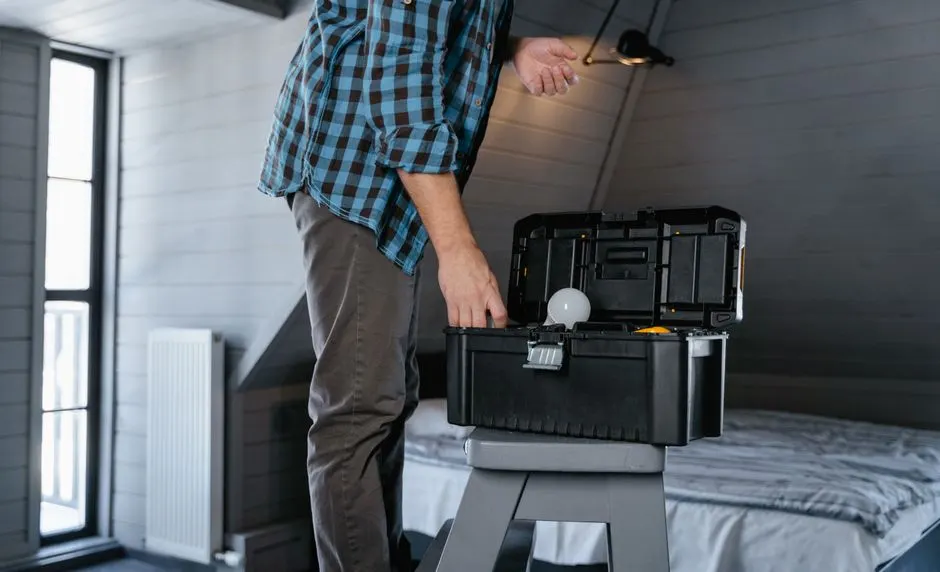
Full foam removal
We take out all accessible spray foam from the roof deck, rafters and trusses using thermal cutting tools, dry ice blasting or sand blasting equipment depending on the foam type. Nothing gets left behind for you to deal with.
Every attic spray foam removal job we do in Cheltenham includes the full removal, disposal and timber inspection as standard. There's no separate charge for the report or the clean-up. If scaffolding is needed, that's quoted upfront as part of the job.
We take out all accessible spray foam from the roof deck, rafters and trusses using thermal cutting tools, dry ice blasting or sand blasting equipment depending on the foam type. Nothing gets left behind for you to deal with.
Every exposed rafter is checked with a moisture meter and thermal imaging camera. We photograph the condition before and after, note any rot or staining, and give you a written summary you can pass to a lender or surveyor.
We clear the eaves gaps and any blocked vents so air can move through the roof space again. That's the fix that stops the condensation and damp patches coming back once the foam is gone.
All foam debris is bagged, removed from site and disposed of through licensed waste routes. You don't need to hire a skip or make a trip to the tip. We take it away the same day we finish.
Once the foam is out, we vacuum the entire loft space, wipe down the hatch surround and remove all dust sheets. The roof space is left clean enough for you to inspect it yourself or bring in an insulation contractor.
Attic spray foam removal in Cheltenham means taking out the cured polyurethane foam that was sprayed onto the underside of your roof timbers, usually between 2005 and 2018, and restoring the roof space so it can breathe again. We cut the foam back with thermal removal tools and a dry ice blasting machine, then vacuum out the debris with an industrial vacuum and an air scrubber running the whole time. Every timber we expose gets checked with a moisture meter and a boroscope so we know whether rot has set in behind the foam.
Most Cheltenham lofts we open up have the same story: closed cell spray foam was sold as a cheap insulation fix, the roof ventilation got blocked, and now there's condensation dripping onto the ceiling below. If you've had a mortgage refusal, a surveyor's report or a cold loft that never felt right, that's usually why. We also cover attic insulation removal in Cheltenham for homeowners who just want the old material gone before they reinsulate with mineral wool or insulation boards. If you're in Up Hatherley, Charlton Kings or anywhere else in the borough, we can usually get someone out to look at it within a few days.
Every job follows the same five steps, whether it's a small loft in Tivoli or a full roof space in Prestbury. You'll know what's happening on each day before we start.
Schedule
Call or book online — a real human picks up and confirms a 2-hour arrival window.
Diagnose
Licensed tech inspects on-site, then walks you through the cause and your options.
Fix
The job is completed to code and done right the first time — no shortcuts, no surprises.
Guarantee
Every job backed by a written workmanship warranty — and we stand behind it.
Dry ice blasting machine
Freezes and lifts foam residue off timber faces without abrasives. It's our finishing tool on closed cell jobs where the foam has bonded hard to the rafters.
Thermal removal tools
Heated cutting blades that slice through cured polyurethane foam without tearing the timber underneath. Used as the first stage on most removal jobs.
Industrial vacuum and air scrubber
Runs continuously during removal to capture foam dust and particles. The air scrubber keeps the loft and the house below free of airborne debris.
Boroscope and moisture meter
Lets us see behind the foam and check timber moisture content before, during and after removal. Essential for spotting rot that isn't visible from the surface.
Thermal imaging camera
Shows us where moisture is sitting in the roof structure and which areas of foam are performing worst. We use it during the survey and again after removal.
Sand blasting equipment
Used on rough timber or brickwork where foam residue is bonded hard. It strips the surface back to clean material ready for new insulation.
Scaffolding and PASMA access
For roof-level access where the foam extends beyond the loft hatch. Our teams are PASMA and IPAF trained for safe working at height.
Thermal cutting and dry ice blasting
The standard method for closed cell foam. We cut the bulk away with heated blades, then finish the rafter faces with dry ice blasting. It removes the foam without gouging the timber, which matters if you're planning to reinsulate.
Mechanical removal with dust control
For open cell foam we use cutting tools and an industrial vacuum running side by side. The air scrubber captures airborne particles, and the loft hatch is sealed so nothing migrates into the house.
Timber inspection and treatment
After removal we check every rafter with a moisture meter and thermal imaging camera. Rotten sections get cut out and replaced, and the remaining timbers are treated against fungal growth before we close up.
Ventilation restoration
We clear the eaves gaps and any blocked vents so air can move through the roof space again. That's the step that stops condensation returning, and it's included in every attic spray foam removal job we do.
Licensed waste disposal
All foam debris is bagged and removed through licensed waste routes. We don't leave it on site or send it to landfill without processing. You get a clean loft and a clear conscience.
01
What we do: We survey the loft, quote for removal, and get the foam out as quickly as your timescale allows. The written timber report we provide is the document your buyer's lender will want to see before they release funds.
→ The sale moves forward without the foam being a blocker, usually within two to three weeks of us finishing.
02
What we do: We inspect the roof space, confirm whether the foam is blocking ventilation, and remove it if it is. We clear the eaves gaps and check the timbers for rot while we're up there.
→ The condensation stops, the ceiling dries out, and the loft smells like a normal roof space again.
03
What we do: We remove the foam and provide a full photo record plus a written summary of the timber condition. That's the evidence pack your lender or surveyor needs to sign the remortgage off.
→ The remortgage completes without the foam being a condition of lending.
04
What we do: We strip out the foam, clean the rafter faces, and leave the roof space ready for mineral wool, insulation boards or a breathable membrane. We can recommend local insulation contractors if you need one.
→ You get a properly insulated loft that performs better than the original foam and doesn't trap moisture.
Cheltenham's housing stock is a mix of Victorian and Edwardian terraces, 1930s semis and post-war estates, and each type behaves differently when foam comes out. Older properties in Montpellier, Tivoli and The Suffolks often have lime plaster and breathable roof construction, which means trapped moisture does more damage faster. The 1970s and 80s estates in Up Hatherley, Hatherley and Benhall tend to have felt-lined roofs where foam has blocked the eaves gap completely. Autumn is when we get the most calls, because the first cold snap after a wet summer is when condensation starts dripping onto ceilings. If you're searching for how to remove spray foam from an attic in Cheltenham, the answer is almost always mechanical removal plus ventilation restoration, not chemical strippers. We work across Gloucestershire with PASMA-trained teams and scaffold access, and we schedule around the weather so the roof space is never left open to the rain.
Montpellier
Victorian villas with original slate roofs and lime plaster. Foam removal here needs extra care around fragile roof timbers and breathable construction.
Up Hatherley
1970s and 80s housing with felt-lined roofs. Spray foam typically blocks the eaves vents completely, which is why condensation shows up on upstairs ceilings.
Pittville
A mix of period properties and newer builds. We often find foam applied over older mineral wool, which needs separating during removal.
Charlton Kings
Larger detached homes with complex roof shapes. Foam coverage is usually patchier, but the timber inspection takes longer because there's more structure to check.
Bishops Cleeve
Modern estates where spray foam was installed by previous owners. Removal is usually straightforward, and most homeowners are reinsulating straight afterwards.
Cold snaps after wet autumn weather
Condensation inside foam-lined lofts gets worse fast. This is when most Cheltenham homeowners first notice damp patches on ceilings and call us in.
Older breathable roof construction
Victorian and Edwardian properties in Cheltenham rely on airflow through the roof. Foam blocks that, so removal has to restore the ventilation path, not just take the foam out.
Felt-lined 20th century roofs
Felt doesn't breathe, so any foam applied between rafters seals the roof space completely. We clear the eaves gap and check for trapped moisture along the whole roof length.
Listed and conservation-area properties
Some Cheltenham roofs need extra care during removal to avoid damaging original timbers or roof coverings. We use hand tools and thermal methods rather than abrasive blasting where required.
Spray foam causes more problems than it solves in most Cheltenham lofts. Here are the ones we see most often, and what happens if they're left alone.
Problem
Your sale or remortgage stalls, and you're stuck paying for surveys on properties you can't complete on. The foam becomes the single biggest blocker in the chain.
Our Fix
We remove the foam, document the timber condition with photos and a written report, and give your lender the evidence they need to proceed. Most Cheltenham homeowners are back on track within a week of the removal being finished.
Problem
Damp patches spread across upstairs ceilings, plaster starts to blow, and the loft smells musty. Left long enough, the timbers themselves start to rot.
Our Fix
We strip the foam out, clear the blocked ventilation path, and check the timbers for rot with a moisture meter. Once air can move through the roof space again, the condensation stops and the ceiling dries out.
Problem
Rot weakens the rafters and trusses that hold your roof up. It's invisible until the foam comes off, which is why so many surveyors flag spray foam as a risk.
Our Fix
We use a boroscope and thermal imaging camera to check behind and around the foam before and during removal. Any rotten timber is cut out and replaced with matching stock, then treated against further fungal growth.
Problem
Foam that's been in place for years can shrink, crack and lose its insulating value. You're paying to heat a loft that no longer holds warmth, and the foam is still trapping moisture.
Our Fix
Once the old foam is out, we clear the way for proper insulation. Mineral wool, rigid insulation boards or a breathable vapour barrier between the rafters will outperform the original foam and won't trap moisture.
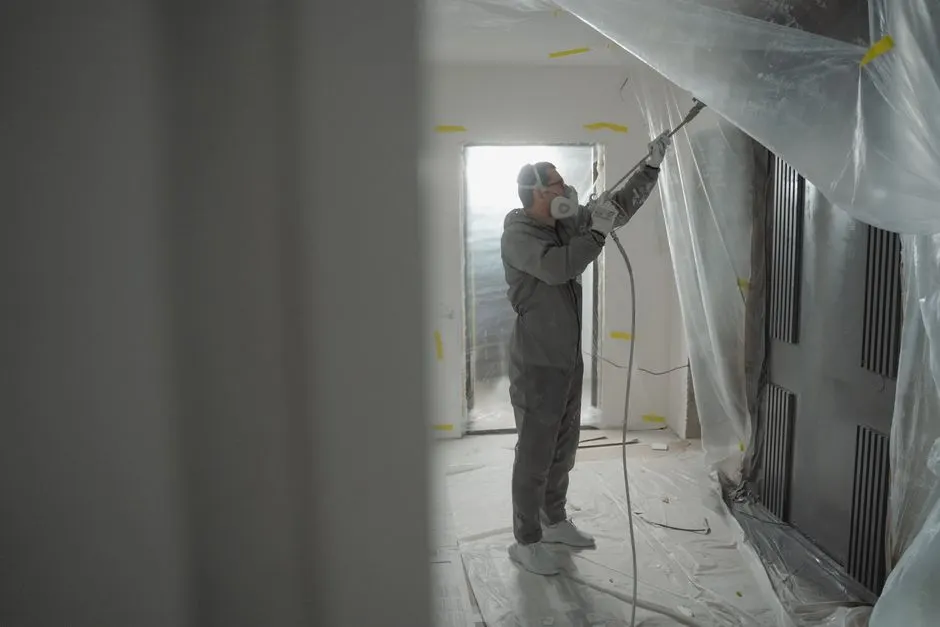
Removing failed spray foam isn't just about passing a survey. It fixes the underlying damp problem, restores airflow through the roof, and lets you insulate the loft properly with a material that's actually breathable.
Clears mortgage refusals
Lenders and surveyors flag spray foam when it's trapping moisture against the timbers. Once we've removed it and documented the condition of the roof structure, most Cheltenham homeowners can move their sale or remortgage forward without the foam being the sticking point.
Stops trapped moisture
Closed cell foam seals the roof deck like a plastic bag. Warm air from the house hits it, condenses, and drips back down. Removing it lets the loft breathe again, which is the single biggest fix for condensation and damp patches on upstairs ceilings.
Restores roof ventilation
Foam sprayed between rafters blocks the eaves gap and any felt vents. We clear the blockage, check the airflow path with a boroscope, and make sure the roof space can dry out naturally through the seasons rather than cooking in its own moisture.
Lets you insulate properly
Once the old foam is out, you can fit mineral wool, rigid insulation boards or a breathable vapour barrier between the rafters. That gives you a warmer loft, lower heating bills and none of the trapped-moisture risk that came with the original foam.
Google ★★★★★4.9
Foam removed from our loft in Charlton Kings in two days. The team were tidy, explained everything, and the timber report was exactly what our lender needed. Sale went through without any further questions.
Google ★★★★★5.0
Had spray foam causing condensation in our Leckhampton bungalow. They cleared it, checked the timbers and the damp patch on the ceiling dried out within a fortnight. Fair price and no mess left behind.
Checkatrade ★★★★★4.8
Used them on a rental property in Pittville. Professional from the survey through to the clean-up. They dealt with the tenant directly and sent me photos of every stage. Would use again.
Google ★★★★★5.0
Honest survey, fixed quote, and the foam was gone when they said it would be. The loft is clean and ready for new insulation. Recommended to two neighbours already.
Spray Foam Heritage Homes has been removing spray foam since 2021, working almost entirely across Cheltenham and the surrounding Gloucestershire villages. In that time we've taken foam out of Victorian terraces, 1930s semis, new-builds and a handful of listed properties where the roof structure needed extra care. Our technicians are trained in PASMA and IPAF for safe working at height, and we hold CHAS, Constructionline and SafeContractor accreditation. We know which foam brands behave badly, which ones come out cleanly, and how to tell the difference before we quote.
Real answers to the questions we hear most often from local homeowners and property managers.
If you're searching for spray foam removal near me in Cheltenham, we cover the whole borough. Attic spray foam removal is our most common job, but we also handle foam in walls, garages and outbuildings.
View Spray Foam Removal near meSame day spray foam removal is available across Cheltenham for urgent cases, usually where a surveyor or lender needs the foam gone quickly. Call before 10am and we can often have a team with you that afternoon.
View same day Spray Foam RemovalOur 24/7 spray foam removal line covers Cheltenham and Gloucestershire for emergencies, such as a loft leak caused by blocked ventilation or foam breaking down after storm damage. Call any time and we'll advise on next steps.
View 24/7 Spray Foam RemovalResidential spray foam removal covers houses, bungalows and flats across Cheltenham. Attic spray foam removal is the most requested service, but we also remove foam from dormer cheeks, party walls and under-floor areas.
View Residential Spray Foam RemovalCommercial spray foam removal for Cheltenham businesses, including offices, workshops and retail units where spray foam has been applied to roof spaces. We work out of hours where needed to avoid disrupting your operation.
View Commercial Spray Foam RemovalLoft spray foam removal is the same job as attic spray foam removal, just a different name. If your loft has foam between the rafters or across the roof deck, we can strip it out and restore the ventilation path.
View loft spray foam removalCall us on 01242375143 or email [email protected] and we will arrange a free survey at your Cheltenham property. Our phone line is answered 24/7, and we aim to book surveys within 48 hours across Gloucestershire. If you have photos of the foam, send them over and we can often give you an initial view before we visit.
Phone
01242375143Address
15-21 Clarence Street, Cheltenham, GL50 3JL, UK, Cheltenham, Gloucestershire
Hours
Mon–Fri: 7AM – 7PM
Sat: 8AM – 4PM
Sun: Emergency Only
24/7 Emergency Available