Lansdown Road
The main route through the area and the address most customers give us first. It runs from the town centre up towards the racecourse, and we use it to plan which end of Lansdown we start from each morning.

Spray foam removal in Lansdown Gloucestershire is a specialist job, and Lansdown is one of the areas where we get called most. The streets around Lansdown Road, Lansdown Crescent and Lansdown Place are full of large period homes with steep slate roofs and tight loft voids, and a lot of them had open cell spray foam pumped in during the 2010s. That foam traps moisture against the rafters, blocks roof ventilation, and in a spa town climate like Cheltenham's it does not take long for timber rot to start. We have been working these streets since 2021, so we know the roof layouts, the awkward loft hatches, and the parking restrictions before we arrive. Our teams use a dry ice blasting machine, thermal removal tools and an industrial vacuum to take foam off without chewing up the rafters underneath. Whether it is a mortgage lender spray foam removal or a straightforward loft spray foam removal in Lansdown, you get a fixed price and a clear plan.
Every job in Lansdown starts with an insulation assessment, because open cell spray foam and closed cell spray foam come out differently. If you are searching for spray foam removal near me in Lansdown, we cover the whole area from Lansdown Tennis Club across to Montpellier Gardens, and we can usually get a surveyor to you the same day you call. Below is what we actually do on these streets.
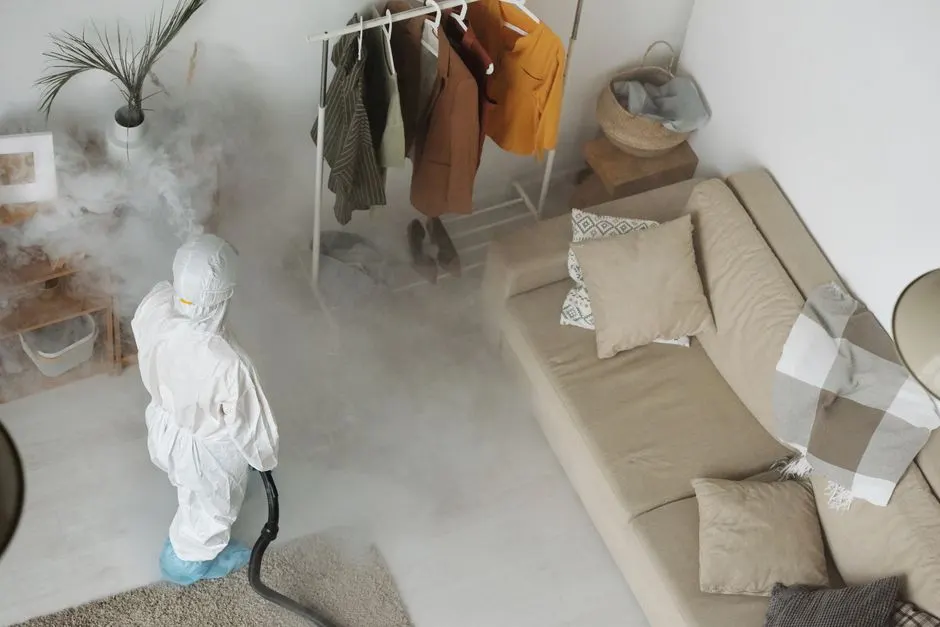





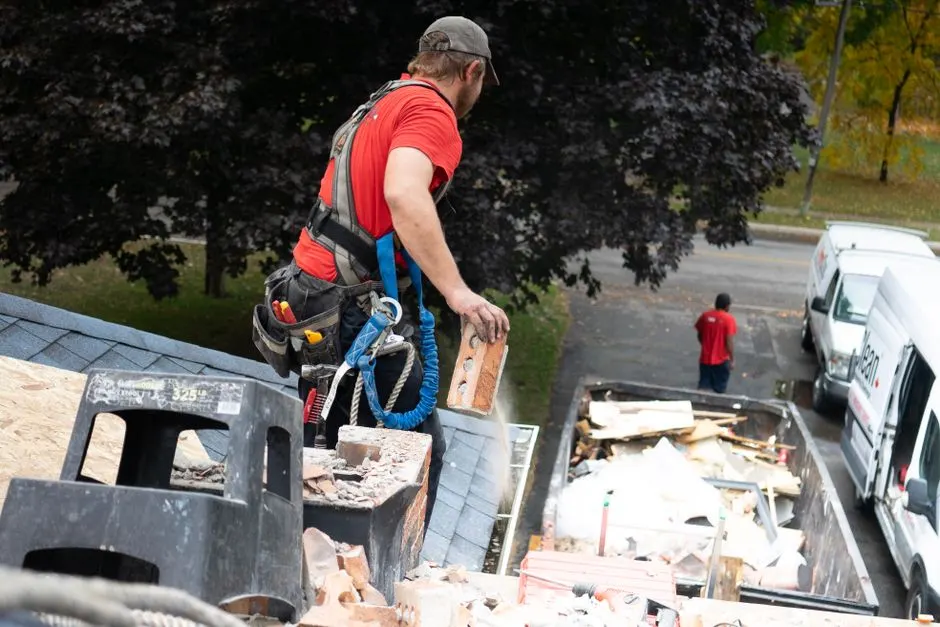





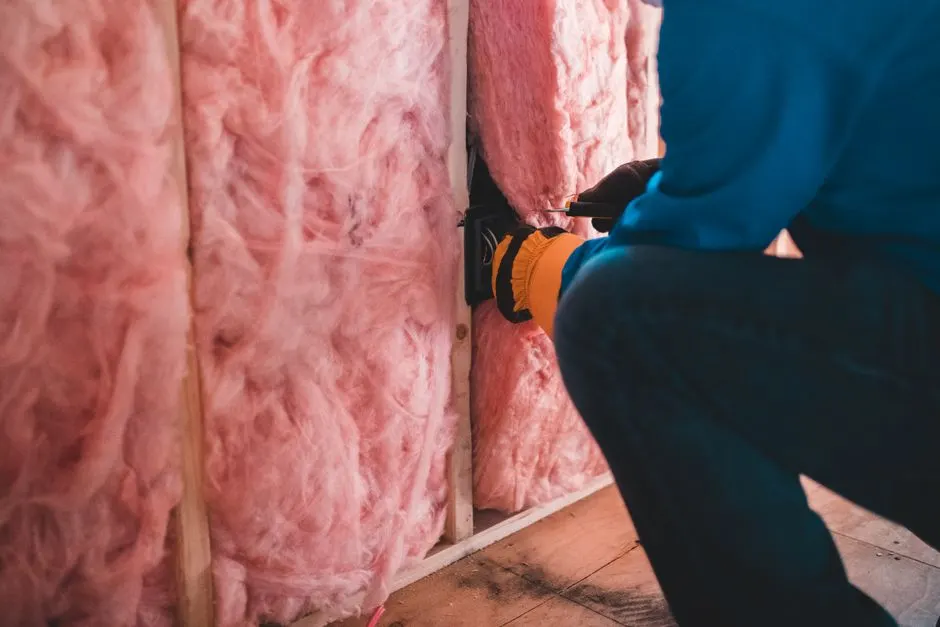


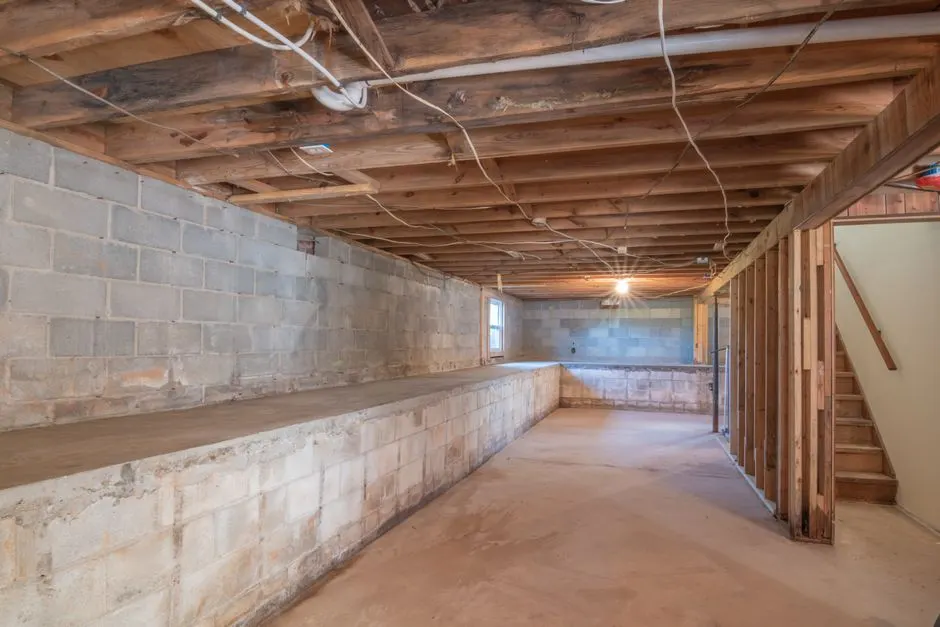



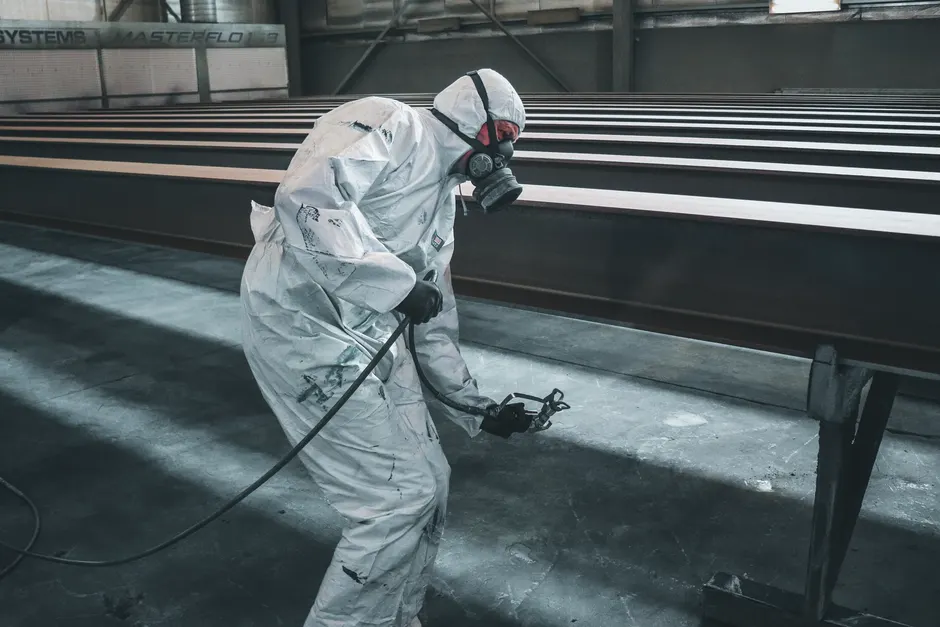
Lansdown's housing stock and climate create a specific set of spray foam problems. The area has a high concentration of large period homes with slate roofs, and Cheltenham's damp winters mean any trapped moisture has time to do damage. Add the premium property market and strict lenders, and foam in a Lansdown loft becomes a financial problem as much as a building one. These are the issues we deal with most, and how we handle them.
Lenders treat spray foam in a roof void as a risk because it can trap moisture and hide structural problems. In Lansdown's premium market, surveyors are thorough, and a single note about foam can stall a sale even when the timbers are sound.
Foam sprayed directly onto the underside of slates or tiles seals the roof, so moisture from inside the house cannot escape. Lansdown's damp winters make this worse, and rot sets in on rafters and battens within a few years.
Open cell foam is often sprayed right into the eaves, blocking the vents that keep a roof dry. It is a common shortcut in loft insulation jobs, and in Lansdown's older roofs the eaves gaps are small to begin with.
Closed cell foam is waterproof, so a leaking slate or flashing will not show as a ceiling stain. Water sits between the foam and the timber instead. In Lansdown's slate roofs, small leaks are common and can go unnoticed for years.
Most Lansdown homeowners do not realise they have a problem until a surveyor or lender tells them. The signs below are the ones we see most often on these streets, and any one of them is worth a survey. If you are searching for spray foam removal near me in Lansdown because of a mortgage issue, do not wait for the report to get worse.
Surveyor flags spray foam in the loft
This is the most common trigger in Lansdown. A lender's surveyor sees foam against the rafters, notes the risk of trapped moisture and roof ventilation blockage, and the mortgage is held up. Acting quickly keeps a sale on track, and a proper removal report usually satisfies the lender.
Condensation or damp patches below the loft
Foam sprayed onto the underside of slates blocks roof ventilation, so warm moist air has nowhere to go. In Lansdown's period homes this shows up as condensation on bedroom ceilings or damp patches on chimney breasts. Left alone, it leads to timber rot.
Musty smell in upstairs rooms
A persistent musty smell upstairs usually means trapped moisture is feeding mould on hidden timbers. Spray foam hides the problem because water cannot pass through it. By the time you smell it, the foam has often been holding damp against the rafters for several winters.
Rafters feel soft or spongy
Press a rafter near the foam and if it gives, rot has started. This is urgent. Rot spreads along the timber and into the roof structure, and what starts as a removal job can become a structural repair. We check every rafter with a moisture meter during the survey.
Foam is cracking, shrinking or pulling away
Older spray foam can shrink and separate from the timber, leaving gaps where air and moisture move freely. It no longer insulates properly and it still blocks ventilation. In Lansdown we see this most in lofts foamed more than ten years ago, and it is a clear sign removal is due.
Lansdown is easy to find but fiddly to work in, so we use local landmarks to plan routes and parking. Lansdown Road is the main spine through the area, and we use Cheltenham Ladies' College and Lansdown Tennis Club as orientation points when arranging access. Montpellier Gardens marks the southern edge of our Lansdown patch, and it helps us split the day between Lansdown jobs and Montpellier ones. Knowing the one-way streets and permit zones around these landmarks saves us, and you, a lot of time.
The main route through the area and the address most customers give us first. It runs from the town centre up towards the racecourse, and we use it to plan which end of Lansdown we start from each morning.
A well-known college on Bayshill Road at the southern end of Lansdown. It is a useful orientation point for jobs around Lansdown Place and the lower part of Lansdown Road, and it helps us judge traffic and parking on school days.
A local club on Lansdown Road that marks the northern end of our regular patch. Jobs near the club are usually scheduled for the morning, when parking on the surrounding streets is easier to find.
A public garden at the Montpellier end of the area. It is the boundary we use when splitting the day between Lansdown and Montpellier jobs, and it is a handy meeting point for customers who want to hand over keys.
ZIP coverage on request — call to confirm.
Lansdown's climate is mild and damp, and that shapes when spray foam problems show up. Autumn and winter are when condensation and damp become obvious, while spring and summer are when surveys and mortgage deadlines cluster. Whatever the season, the cost of spray foam removal in Lansdown Gloucestershire does not change with the weather, so there is no reason to wait for a convenient month.
Spring is survey season in Lansdown. Buyers come out of winter and put offers in, surveyors go through lofts, and foam gets flagged. We also find that damp patches from winter are still visible, which helps confirm whether foam is trapping moisture.
Tip: If you are buying or selling in Lansdown, book an insulation assessment before the surveyor arrives. Knowing what is in the loft puts you in control of the negotiation rather than reacting to it.
Summer is the easiest time to work in a Lansdown loft. Timbers are dry, condensation is minimal, and we can often confirm that a roof void is sound once the foam is out. It is also the busiest period for loft conversions, which frequently uncover old foam.
Tip: If you are planning a loft conversion or a re-roof, get the foam removed first. It is far cheaper to strip it before the new work starts than to work around it later.
As the weather turns, condensation starts again in Lansdown's foam-filled lofts. Damp patches, musty smells and cold spots appear through October and November. This is when homeowners who have been putting off a survey finally call us.
Tip: Check your loft before the cold sets in. Look for dark staining on rafters, a musty smell, or foam that has cracked away from the timber, and book a survey if you see any of them.
Winter is when trapped moisture does the most damage. Rain driven onto Lansdown's slate roofs finds any weakness, and foam hides the leak until the timber is wet. Emergency calls for water ingress and storm-damaged foam peak between December and February.
Tip: If water is getting in, call our 24/7 line on 01242375143. We can make the roof void safe quickly, then complete the foam removal once the weather allows.
Lansdown sits in the middle of our Cheltenham patch, so we cover the surrounding districts on the same routes. If you are just outside Lansdown, we almost certainly work your street too. Here are the areas we get asked about most, and how they relate to our Lansdown work.
(City)
Directly south of Lansdown, a short drive or walk down Lansdown Road. Many of our Lansdown customers are actually on the Montpellier border, so we treat the two areas as one route.
View Montpellier(City)
About a mile and a half north east of Lansdown, with similar period housing and the same spray foam legacy in loft voids. We often run Pittville and Lansdown jobs on the same day.
View Pittville(City)
Roughly two miles south east of Lansdown, with larger family homes and a steady demand for loft spray foam removal. It is a regular add-on to our Lansdown schedule.
View Charlton Kings(City)
About two miles south of Lansdown, with a mix of period and post-war housing. Foam removal enquiries here often come from the same surveyors who work our Lansdown jobs.
View Leckhampton(City)
A residential area around two miles south west of Lansdown. Smaller lofts and more modern roofs, but we still see spray foam from earlier insulation schemes.
View Benhall(City)
About two and a half miles south west of Lansdown, mostly 1930s and post-war homes. Foam removal here is usually open cell and quicker to strip than the closed cell jobs in Lansdown.
View HatherleyReal answers from our team for the questions we hear most often before a job starts.
If a surveyor has flagged foam in your Lansdown loft, or you have spotted condensation, a musty smell or soft rafters, call us on 01242375143. We survey, quote a fixed price and remove the foam with methods that protect period timbers. Same-day and 24/7 cover is available across Lansdown Road, Lansdown Crescent, Lansdown Place and Malvern Road. Five years working these streets, full insurance and a written removal report your lender can accept.
Call us on 01242375143 or email [email protected] and we will arrange a free survey at your Cheltenham property. Our phone line is answered 24/7, and we aim to book surveys within 48 hours across Gloucestershire. If you have photos of the foam, send them over and we can often give you an initial view before we visit.
Phone
01242375143Address
15-21 Clarence Street, Cheltenham, GL50 3JL, UK, Cheltenham, Gloucestershire
Hours
Mon–Fri: 7AM – 7PM
Sat: 8AM – 4PM
Sun: Emergency Only
24/7 Emergency Available