Pittville Park
The park is the easiest orientation point in the area. If you can tell us which side of the park you are on, we can place you on the map immediately and give you a realistic arrival window.
Spray foam removal in Pittville Gloucestershire is a specialist job, not a general building task. We have worked the GL52 2 and GL52 3 postcodes since 2021, and most of our Pittville work sits in the older stock: Regency terraces around Pittville Lawn and Pittville Crescent, Victorian semis near Wellington Square, and 1930s family homes tucked behind Pittville School. Foam was sold hard in this area through the 2010s as a cheap fix for draughty lofts, and a lot of it is now failing. Closed cell spray foam traps moisture against rafters, blocks the roof ventilation gap, and turns a straightforward sale into a mortgage refusal. Our crews use a boroscope and thermal imaging camera to map exactly where the foam sits before we cut anything, then dry ice blasting or thermal removal tools to take it back to bare timber. If you have been searching for Pittville spray foam removal and every quote sounds vague, that is usually because nobody has actually inspected the rafters yet. We do that first, then price the job.
Every Pittville job starts with an insulation assessment, because the right method depends on the foam, the roof build and what the lender needs in writing. Open cell foam comes out faster than closed cell. Foam sprayed directly onto slate or felt is a different job again. If you have been typing spray foam removal near me in Pittville and getting national call centres, we are local, we survey in person, and we price the actual loft rather than a square metre guess.





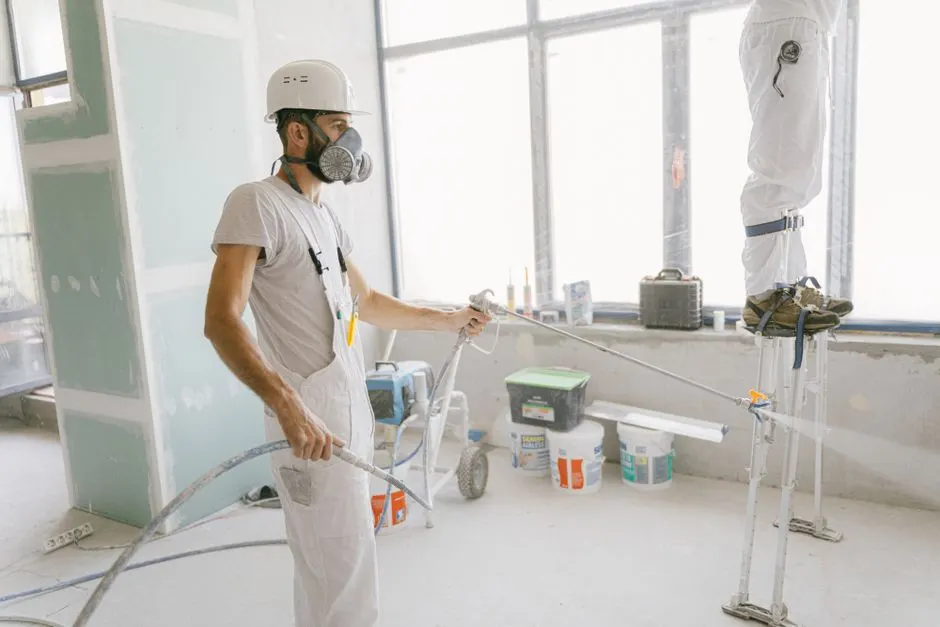



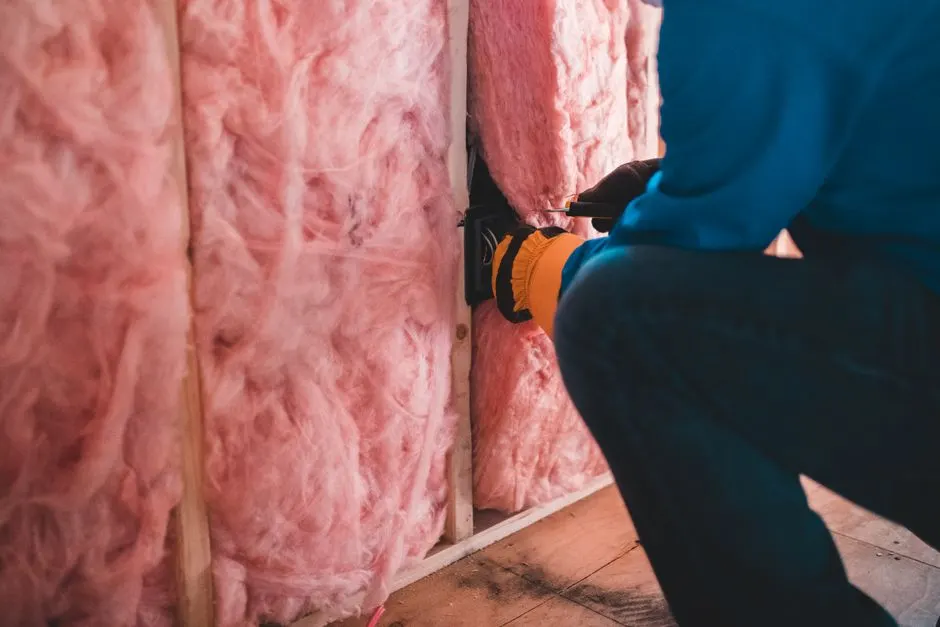


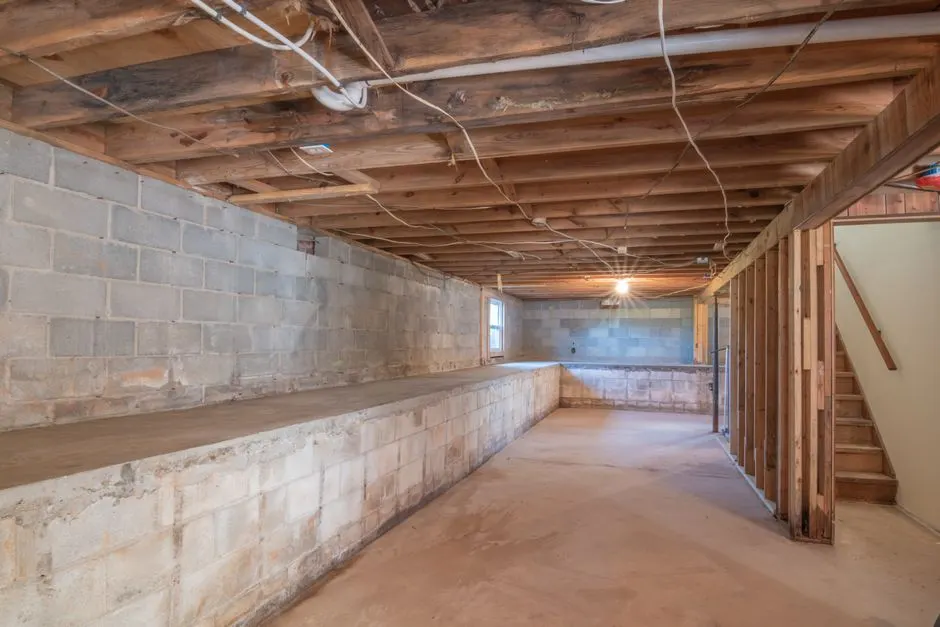



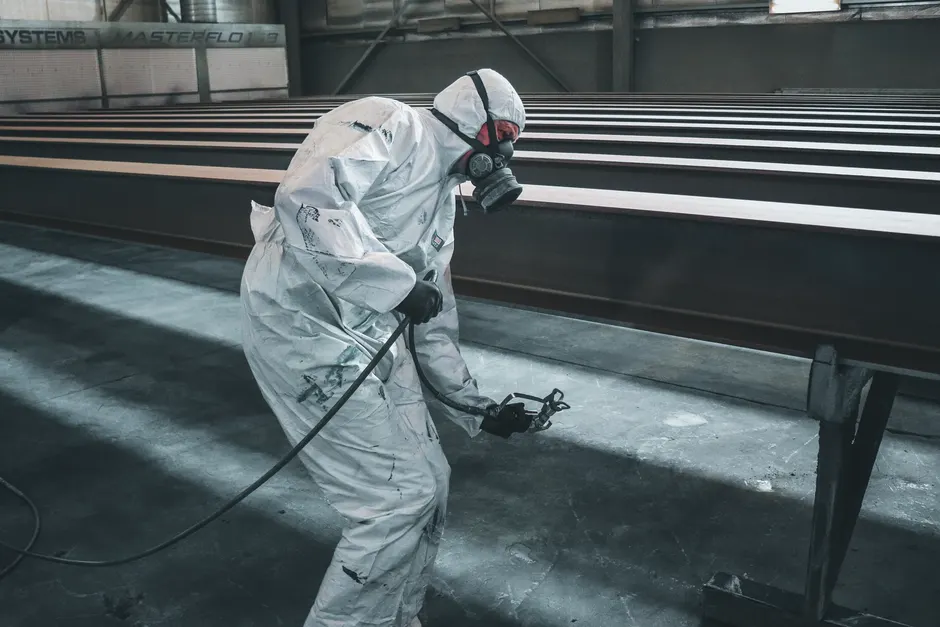
Pittville's housing stock creates a specific set of foam problems. The older the property, the tighter the eaves and the less tolerance there is for a material that seals the roof space. Add Cheltenham's damp winters and the fact that most of this foam went in during a sales push in the 2010s, and you get a predictable pattern. Here is what we see most often, and what causes it.
Foam sprayed across the rafters seals the roof space and blocks the eaves ventilation gap. Moisture from cooking, washing and breathing rises into the loft and cannot escape, so it condenses on the cold timber. In Pittville's Regency and Victorian roofs there is very little spare ventilation to begin with.
Most lenders treat spray foam in a roof space as a defect because it hides the condition of the timbers and can void a roof's ventilation. In a fast-moving Pittville market, a refused mortgage can cost a sale within days. Buyers often only find out at valuation stage.
When the roof space cannot breathe, moisture finds the next coldest surface, which is often the ceiling below the loft. In Pittville's older homes with original plaster, that shows up as brown patches, bubbling paint and a damp smell. It is frequently misdiagnosed as a roof leak.
Foam expands into every gap it can reach, including the eaves vents and the gap between rafters and felt. That is the single biggest cause of the problems above. In tight Pittville roof spaces there is often no alternative path for air to move once those vents are sealed.
Foam does not always announce itself. Most Pittville customers find out because a surveyor, a lender or a buyer tells them, not because anything looks wrong from inside the house. But there are warning signs, and if you spot any of them it is worth getting the loft looked at before the problem spreads into the timber. If you have been searching for spray foam removal near me in Pittville and putting it off, these are the triggers that mean you should not wait.
Condensation on roof felt or rafters
Foam blocks the ventilation gap at the eaves, so moist air from the house has nowhere to go. It condenses on the cold side of the foam or on any exposed felt. Left alone, that water sits against the timber. This is the earliest and most common sign we see in Pittville lofts.
Musty smell in upstairs rooms
A damp, earthy smell in a back bedroom or on the landing usually means moisture is sitting in the roof space and finding its way down. In Pittville's older terraces the smell often appears in the room closest to the loft hatch. It will not clear on its own.
Surveyor or lender flags the foam
This is the most common trigger for a Pittville job. A mortgage valuation surveyor sees spray foam, notes it as a defect, and the lender either refuses or holds the loan. You usually have a narrow window to get it removed and documented before the offer lapses.
Foam is soft, crumbly or pulling away
Foam that has failed is no longer doing the job it was sold to do, and it is often holding moisture against the rafter as it breaks down. If it crumbles when you press it, or you can see gaps between the foam and the timber, it needs to come out.
Daylight or draughts through the eaves
If you can see daylight at the eaves line, the ventilation path may have been blocked and then opened by movement, or the foam may have shrunk away from the covering. Either way, the roof space is no longer sealed or ventilated correctly and the timbers are exposed.
Pittville is compact but the street layout is not obvious if you do not know it. We use the park and the Pump Room as fixed points, then work out from there. Most of our jobs sit within a ten-minute walk of Pittville Park, and knowing which lanes are one-way, where the permit zones start and which streets have rear access saves a lot of time on the day.
The park is the easiest orientation point in the area. If you can tell us which side of the park you are on, we can place you on the map immediately and give you a realistic arrival window.
The Pump Room sits at the east end of the park and marks the boundary between the Regency estate and the town side. It is a useful reference for locating properties on Pittville Lawn and the surrounding terraces.
The school sits on the northern edge of the area, close to a lot of the 1930s and post-war housing. Customers near the school are usually on our GL52 3 round, which we cover most weeks.
Sandford Park marks the southern approach into Pittville from the town centre. Properties between the park and Pittville Circus are a short run for us, and we often pass through on the way to jobs.
ZIP coverage on request — call to confirm.
Foam problems do not take a season off, but demand and the symptoms shift through the year. Autumn and winter are when damp and condensation show up inside the house. Spring and summer are when sales, surveys and remortgages drive the bookings. Knowing what to expect each season helps you plan the job rather than react to it.
Spring is when the housing market picks up in Pittville and surveyors start flagging foam on valuations. Damp patches from winter often dry out and become less obvious, which can hide the underlying problem. Bookings fill quickly from March onwards.
Tip: If you are planning to sell this year, get the loft assessed before your first viewing. Removing foam before a surveyor sees it avoids a refused mortgage later in the process.
Warm, dry weather makes loft work more comfortable and lets timber dry out faster after removal. It is the best time for larger closed cell jobs and for any work that needs the roof space open for several days. Commercial and landlord jobs are easier to schedule too.
Tip: Summer is the ideal window for a full closed cell strip. Book early, as July and August slots around Pittville go quickly and the school holidays slow access to some family homes.
As temperatures drop, condensation returns to any roof space where the ventilation path is blocked. Damp smells and ceiling patches reappear in Pittville's older homes. This is also when the pre-Christmas sales push starts and lender-driven jobs spike.
Tip: If you noticed damp last winter and did nothing, deal with it now. Removing foam before the cold sets in stops another season of moisture sitting against the rafters.
Winter is when the worst symptoms show: water tracking through foam after storms, dripping onto ceilings, and the smell of damp in upstairs rooms. Emergency call-outs rise, particularly from the older terraces near Sandford Park and Wellington Square.
Tip: If water is tracking through the foam, isolate what you can and call the 24/7 line. Do not leave it running down a rafter for days, as that is when surface damp turns into rot.
Pittville is our home patch, but we cover the whole of Cheltenham and the surrounding villages. The same crews, the same equipment and the same fixed-price approach apply whether you are in Montpellier or out towards Bishops Cleeve. If you are just outside the list below, call and ask.
(City)
Montpellier is a short run south of Pittville, roughly ten minutes by van. We regularly move between the two on the same day.
View Montpellier(City)
Lansdown sits just west of Pittville and shares the same period housing stock and foam problems. Travel time is under ten minutes.
View Lansdown(City)
Charlton Kings is a fifteen-minute drive east along the A435, and we cover it on the same round as our Pittville jobs.
View Charlton Kings(City)
Leckhampton is south of the town centre, around fifteen minutes from Pittville. Similar Victorian and Edwardian lofts, similar foam issues.
View Leckhampton(City)
Benhall is a twenty-minute run south-west, mostly post-war housing where cavity wall foam is more common than loft foam.
View Benhall(City)
Hatherley is a similar distance to Benhall and shares its housing profile. We cover it on the same southern Cheltenham round.
View HatherleyReal answers from our team for the questions we hear most often before a job starts.
If a surveyor, lender or buyer has raised a question about spray foam in your Pittville loft, we can survey within 48 hours and give you a fixed price on the spot. We cover GL52 2 and GL52 3 weekly, we know the access and parking on streets like Pittville Lawn and Wellington Square, and we supply the paperwork lenders accept. Call us, or book a free survey online and we will take it from there.
Call us on 01242375143 or email [email protected] and we will arrange a free survey at your Cheltenham property. Our phone line is answered 24/7, and we aim to book surveys within 48 hours across Gloucestershire. If you have photos of the foam, send them over and we can often give you an initial view before we visit.
Phone
01242375143Address
15-21 Clarence Street, Cheltenham, GL50 3JL, UK, Cheltenham, Gloucestershire
Hours
Mon–Fri: 7AM – 7PM
Sat: 8AM – 4PM
Sun: Emergency Only
24/7 Emergency Available