Charlton Kings Common
The common is the easiest way to orient us to the western side of the village. Streets backing onto it often have rear access issues, so knowing which side of the common you are on saves us a wasted trip.
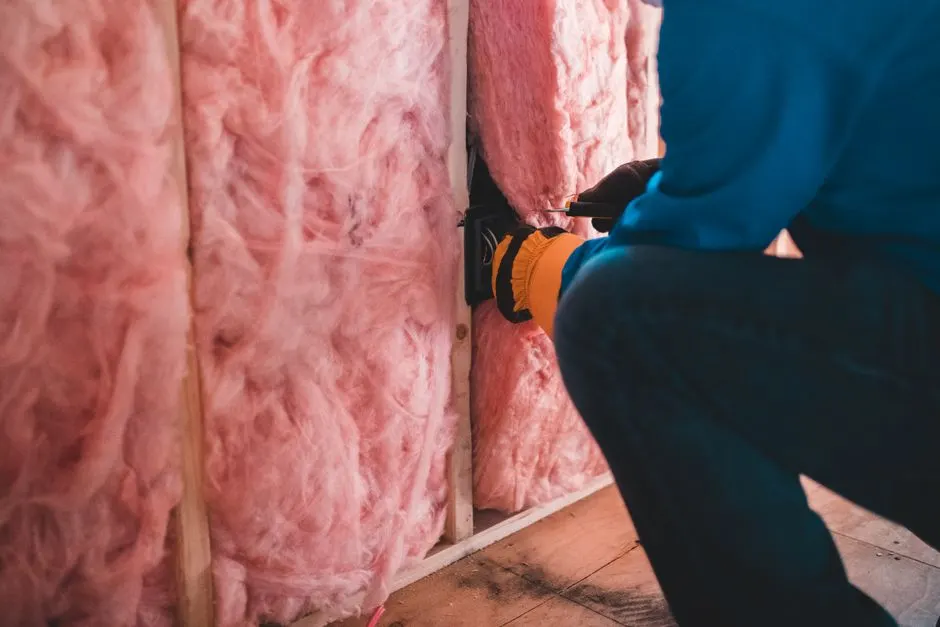
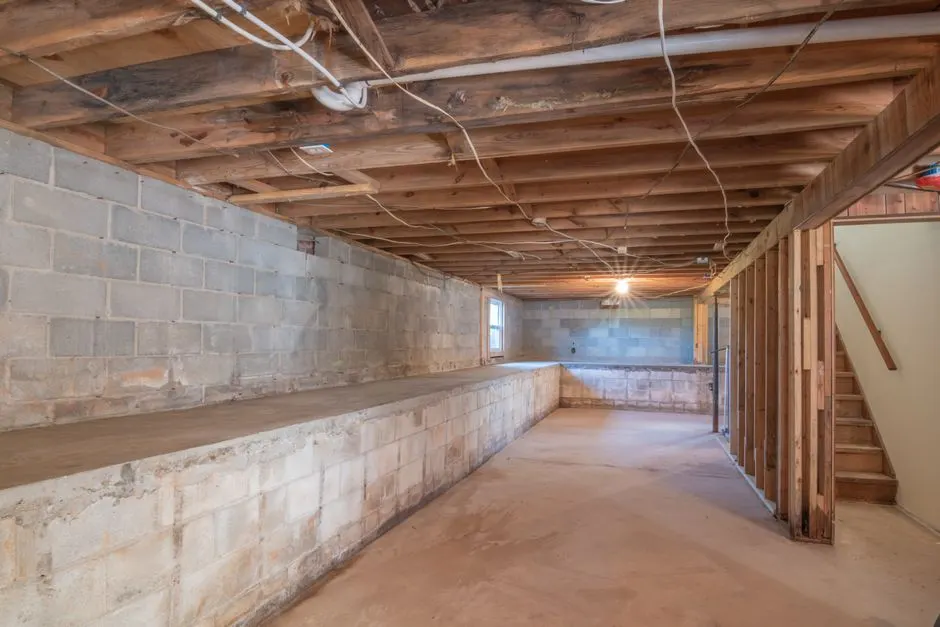
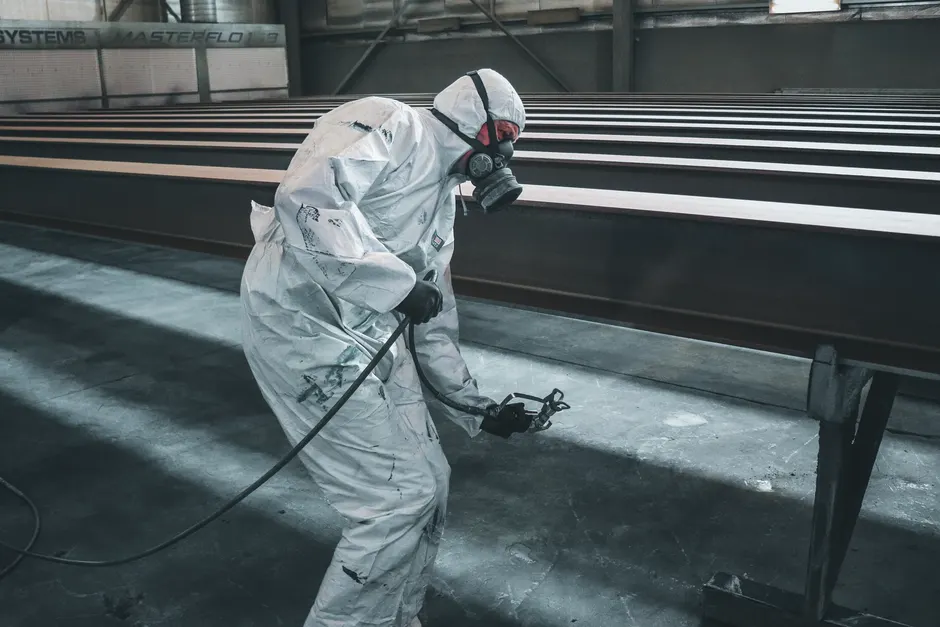
Spray foam removal in Charlton Kings Gloucestershire is a specialist strip-out service that takes failed or mortgage-blocking polyurethane foam out of lofts, attics, roof slopes and cavity walls, then restores the roof space so it can breathe again. We have run spray foam removal near Charlton Kings since 2021, working out of Cheltenham and covering GL53 8 and GL53 9. Most of the homes we see here are 1930s to 1970s detached and semi-detached properties with pitched roofs and tight eaves, the exact construction that traps moisture once closed cell spray foam is sprayed directly onto the underside of the tiles. Our technicians use a boroscope and a thermal imaging camera before we quote, so you know what is actually up there rather than what a salesman guessed. Foam comes out with dry ice blasting, thermal removal tools and an industrial vacuum, and every job ends with an air scrubber run and a moisture meter reading on the timbers.
Every service below is delivered in Charlton Kings by our own technicians, not subcontracted. If you have searched spray foam removal near me in Charlton Kings and ended up on a national call centre, you will notice the difference: we quote from what we find in your roof, not from a postcode. Loft spray foam removal in Charlton Kings is our most requested job, followed closely by mortgage lender work.
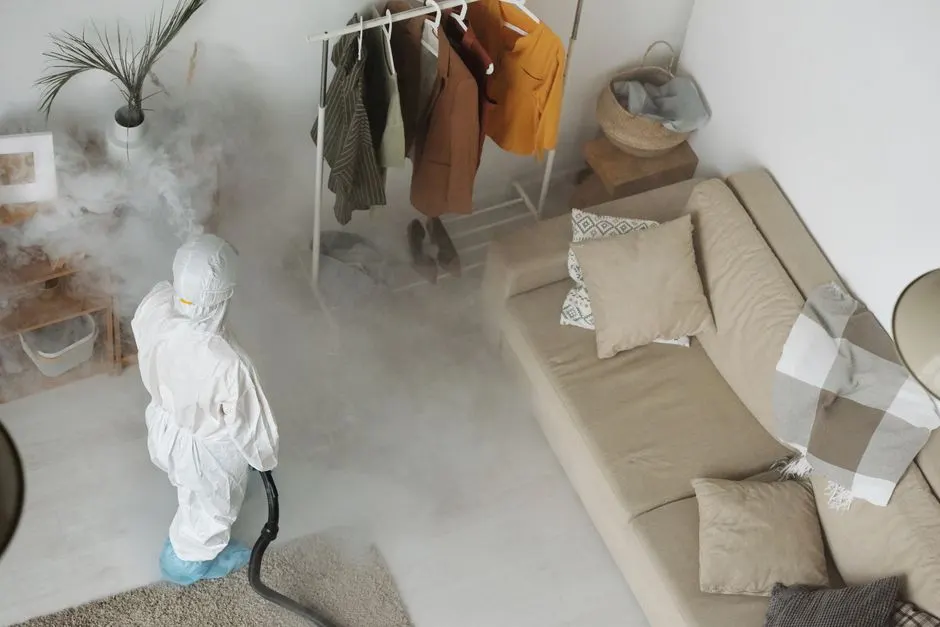





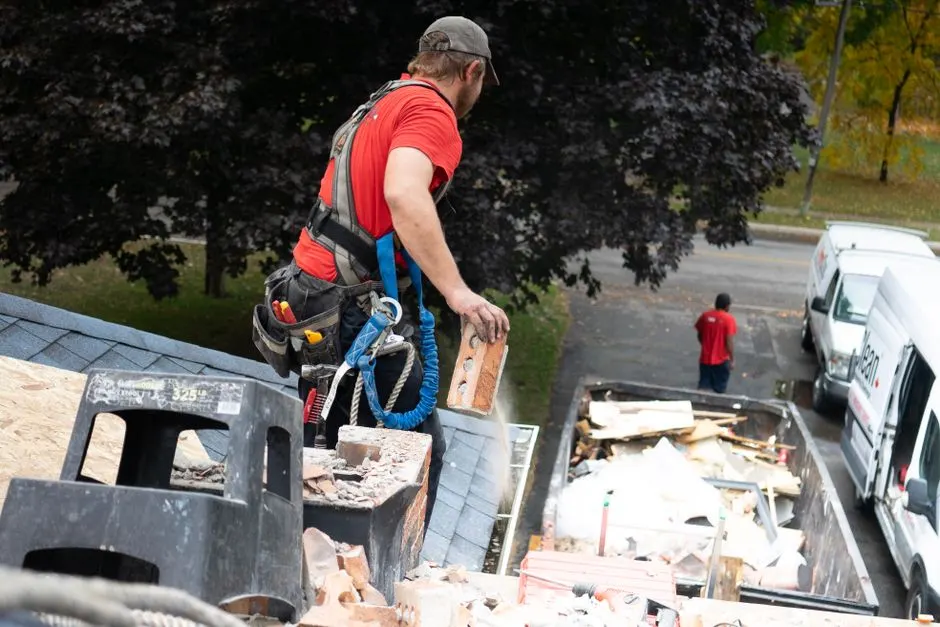

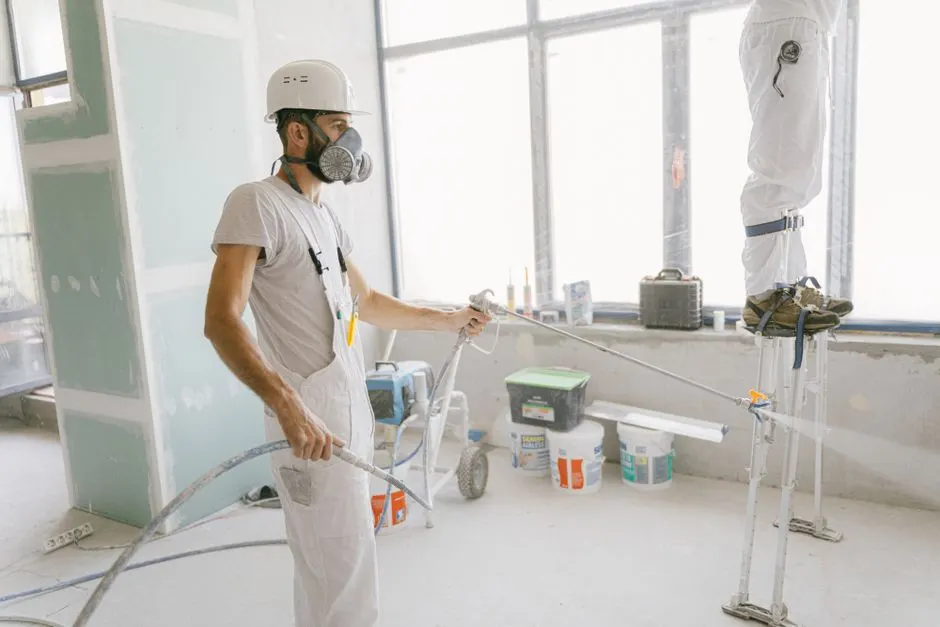







Charlton Kings has a particular set of conditions that make foam problems worse than in some other parts of Cheltenham. The village sits higher, catches more wind-driven rain off the Cotswolds, and much of the housing stock is 1930s to 1970s with roof designs that rely on eaves ventilation. Once spray foam insulation removal Charlton Kings Gloucestershire homeowners have put off for years finally gets looked at, these are the four issues we find most often.
Foam sprayed directly onto the underside of a roof covering seals the only ventilation path these older roofs have. Moisture from inside the house rises into the loft, hits the cold felt, and has nowhere to go. Over several winters the timber stays wet and rot sets in.
Lenders and their surveyors treat spray foam as a hidden-structure risk because it can conceal rot and block inspection. In a village where properties change hands regularly, this comes up often and can stall a sale for months if it is not dealt with.
Foam installers sometimes sprayed right into the eaves, filling the gap that lets air move through the roof. It is common in the 1960s and 1970s detached houses around Ryeworth and Ham where the loft is deep and easy to overfill.
Foam can seal around a slow leak from a flashing or a cracked tile, hiding the evidence until the ceiling below stains. By the time you see it, water has often been sitting against the timber for months.
Foam does not always announce itself. Most Charlton Kings homeowners only find out when a surveyor, a lender or a buyer's report flags it. But there are physical signs too, and if you have searched for spray foam removal near me in Charlton Kings because of one of these, it is worth getting an assessment before the damage spreads.
Damp or musty smell in the loft
A persistent musty smell usually means moisture is trapped against the timbers with nowhere to escape. In a foamed roof space this is the first sign the ventilation has been sealed off, and it will get worse each winter until the foam comes out.
Condensation on roof felt or rafters
Water droplets on the underside of felt or on rafter faces are a clear sign the roof cannot breathe. Left through a cold spell, that moisture soaks into the timber and starts the rot process. This one is urgent.
Staining on upstairs ceilings
Brown patches on a bedroom ceiling below a foamed roof slope often point to trapped moisture finding its way through. It can also be a failed flashing, so we check both before quoting for removal.
Surveyor or lender has flagged the foam
This is the most common trigger in Charlton Kings. Lenders treat sealed foam as a risk because it hides the roof structure. You usually need removal plus documented evidence before a mortgage completes.
Soft or crumbling roof timbers
If a batten or rafter gives under a screwdriver, rot has already set in. That is a structural concern, not just an insulation one, and it needs removal and timber treatment rather than a ventilation fix alone.
Charlton Kings is compact but the streets around the common and the village centre can be slow at school run times. We plan routes around Balcarras School start and finish so we are not stuck on the narrow lanes when we should be on your driveway. Six Ways is our main orientation point for the eastern side of the village, and St Mary's Church marks the older core where parking needs more thought. If you are giving us directions, a landmark is usually faster than a postcode.
The common is the easiest way to orient us to the western side of the village. Streets backing onto it often have rear access issues, so knowing which side of the common you are on saves us a wasted trip.
St Mary's marks the historic village core. Properties within a few streets of the church tend to be older with tighter roof structures, which tells us to bring thermal removal tools rather than dry ice.
Balcarras is our timing reference for the north-east of the village. We avoid scheduling arrivals between 8:15 and 8:45am and again at pick-up, when the surrounding roads are congested.
Six Ways is the junction we use to navigate the eastern approach into Charlton Kings. It is a useful meeting point if you are guiding us in from the Cheltenham side.
ZIP coverage on request — call to confirm.
Foam removal runs all year, but the problems it causes follow a seasonal pattern in Charlton Kings. Autumn and winter are when damp and condensation show up inside, while spring and summer are when surveys and mortgage work peak. Knowing what to expect each season helps you time the cost of spray foam removal in Charlton Kings Gloucestershire around your budget.
Spring is survey season. Buyers are viewing properties and lenders are instructing reports, so foam gets flagged more often between March and May. Damp patches from winter often dry out and become less obvious, which is why a moisture meter matters more than a visual check.
Tip: If you are selling, book an assessment before your first viewing rather than after an offer. It is far cheaper to deal with foam before a buyer's lender gets involved.
Summer is the best time for the work itself. Warm, dry conditions mean the roof space dries quickly after removal, and long daylight hours let us work safely on roof slopes and scaffolding without rushing. It is also our busiest period for booked-in removal.
Tip: Book removal for June or July if you can. Timbers dry faster, and you will know before autumn whether the ventilation fix has worked.
As temperatures drop, condensation returns to any roof space that is still sealed. October and November are when Charlton Kings homeowners notice musty smells and damp patches again. Wind-driven rain off the Cotswolds also finds its way past tired flashings.
Tip: If you noticed a smell last winter and did nothing, get the assessment done now. Catching it in autumn means the timbers have a chance to dry before the worst of the cold.
Winter is when trapped moisture does the most damage. Cold felt and warm moist air from the house create heavy condensation inside a foamed roof, and timber that stays wet through a frosty spell is where rot starts. Emergency calls are usually about ceiling stains after a storm.
Tip: If water is coming through a ceiling, make it safe and call us. We will talk you through it that night and book the removal for the first available dry day.
Charlton Kings is one of the areas we cover most, but our vans run across the whole Cheltenham district. If you are buying or selling nearby, the same survey, removal and documentation process applies. We group jobs by area so we can keep travel time down and pass that saving on in the quote.
(City)
Montpellier is about two miles from Charlton Kings. We regularly work there on period properties with older roof structures and awkward loft access.
View Montpellier(City)
Lansdown sits just north of Charlton Kings and shares the same mix of larger detached homes where closed cell foam is common.
View Lansdown(City)
Pittville is a short drive from the village and often booked in the same week as Charlton Kings jobs to keep our routes efficient.
View Pittville(City)
Leckhampton borders Charlton Kings to the west, and we frequently move between the two on the same day for survey and removal work.
View Leckhampton(City)
Benhall is immediately north of Charlton Kings, with a similar 1960s and 1970s housing stock and the same foam-related survey problems.
View Benhall(City)
Hatherley is a few minutes away and shares our GL51 and GL53 coverage, so response times are comparable to Charlton Kings.
View HatherleyReal answers from our team for the questions we hear most often before a job starts.
If a surveyor or lender has flagged the foam in your loft, the sooner it comes out the cheaper it usually is. We survey Charlton Kings properties within 48 hours, give you a fixed price, and can mobilise a same day crew if you call before midday. Five years working these GL53 streets means we know what is likely to be up there before we open the hatch. Ring 01242 375143 and we will get you booked in.
Call us on 01242375143 or email [email protected] and we will arrange a free survey at your Cheltenham property. Our phone line is answered 24/7, and we aim to book surveys within 48 hours across Gloucestershire. If you have photos of the foam, send them over and we can often give you an initial view before we visit.
Phone
01242375143Address
15-21 Clarence Street, Cheltenham, GL50 3JL, UK, Cheltenham, Gloucestershire
Hours
Mon–Fri: 7AM – 7PM
Sat: 8AM – 4PM
Sun: Emergency Only
24/7 Emergency Available