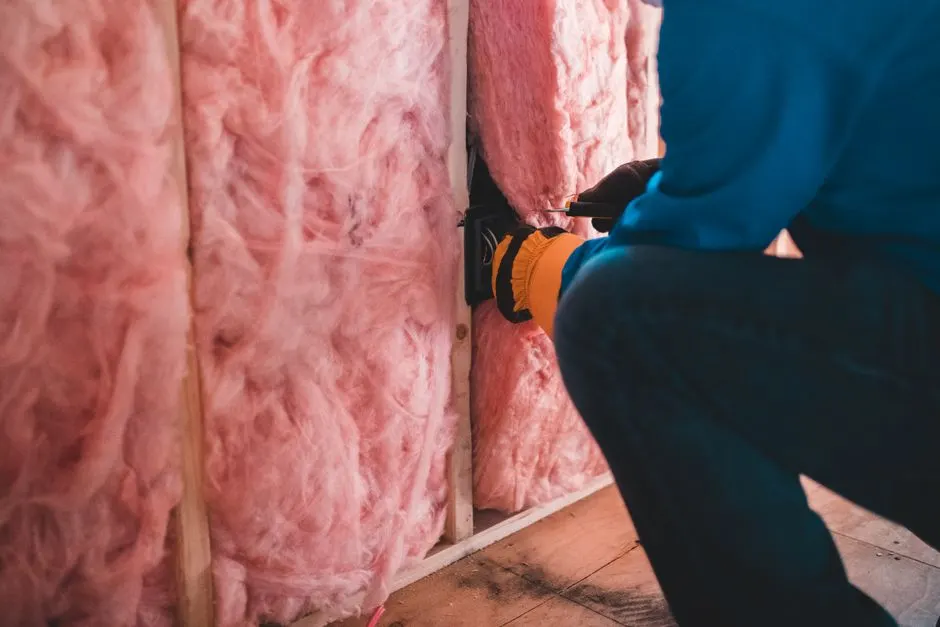
Boroscope and moisture survey
Before any cutting, we inspect every rafter bay with a boroscope and log moisture meter readings. This tells us the foam type, the extent of any rot and whether hidden leaks are feeding the problem.
Every strip-out is quoted as one fixed price covering the survey, the removal, the waste and the clean-up. You do not pay extra for scaffolding, dust control or disposal. If we find rot or hidden leaks during the work, we show you the evidence and price any extra timber repairs before we carry them out.
Before any cutting, we inspect every rafter bay with a boroscope and log moisture meter readings. This tells us the foam type, the extent of any rot and whether hidden leaks are feeding the problem.
We seal the loft hatch, run an air scrubber and use industrial vacuums at the cutting face. Foam comes out with dry ice blasting, thermal removal tools and hand cutting, depending on the product and the timber underneath.
All foam waste is bagged, removed from site and disposed of through licensed channels with the paperwork to match. You do not need to hire a skip or arrange a separate collection.
After the strip-out we run dehumidifiers for 24 to 48 hours and check every roof ventilation gap is clear. You get before-and-after moisture readings so you can see the timber drying out.
We photograph the cleaned structure, the ventilation gaps and the moisture readings, then send you a written summary. This is the package mortgage lenders and surveyors ask for when spray foam has held up a sale.
An insulation removal service in Cheltenham, Gloucestershire is a controlled strip-out of failed or unwanted spray foam from your roof space, rafters or cavity, followed by cleaning, drying and ventilation checks. We cut and lift the foam rather than tear at it, so timber battens, plasterboard and wiring underneath survive the job. Every strip-out starts with a boroscope survey and moisture meter readings, because foam that has been wet for years hides rot you cannot see from the loft hatch.
Most Cheltenham call-outs come from three situations: a mortgage lender has flagged spray foam on a survey, a loft conversion has left condensation dripping onto stored boxes, or an Icynene or Lapolla install from years ago has started to smell damp. If you are searching for an insulation extraction service near me in Cheltenham Gloucestershire, the fix is the same - get the foam out, dry the timbers, and restore airflow before the damage spreads into the ceiling below.
We keep the job predictable: survey first, fixed price second, strip-out third. You get a clear start date, a dust-controlled work area and a clean loft space at the end.
Schedule
Call or book online — a real human picks up and confirms a 2-hour arrival window.
Diagnose
Licensed tech inspects on-site, then walks you through the cause and your options.
Fix
The job is completed to code and done right the first time — no shortcuts, no surprises.
Guarantee
Every job backed by a written workmanship warranty — and we stand behind it.
Dry ice blasting machine
Freezes and lifts closed cell foam residue off rafters and felt without wetting the timber. It is our go-to method for dense foam bonded hard to old roof structures.
Thermal imaging camera
Maps hidden leaks and wet zones behind the foam before we cut. It shows us where water has travelled along rafters, well beyond the visible damp patch.
Boroscope
Inspects rafter bays, cavity walls and tight corners where a camera cannot reach. It confirms foam type, coverage and any rot hidden behind the foam.
Moisture meter
Logs timber moisture readings before and after the strip-out. You get a before-and-after record showing the rafters drying out, which lenders and surveyors accept.
Industrial vacuum and air scrubber
Captures foam dust at the cutting face and filters the air in the work zone. Keeps the rest of your house dust-free while we work.
Scaffolding and respirator
Provides safe access for roof deck and high rafter work, and protects our technicians from foam dust. PASMA and IPAF trained crews erect and inspect it.
Dry ice blasting
A dry ice blasting machine fires frozen CO2 pellets at the foam, which shrinks and lifts away from the timber. It is clean, fast and does not wet the structure, making it ideal for closed cell foam on rafters and felt.
Thermal removal tools
Heated cutting tools slice through dense foam without tearing the timber underneath. Slower than cold cutting, but far kinder to old rafters and battens in Cheltenham's Victorian and 1930s housing stock.
Sand blasting equipment
For stubborn foam residue on brick, concrete and roof decks, sand blasting equipment gives a clean surface. We use it where dry ice blasting alone cannot shift bonded foam from hard materials.
Controlled drying and ventilation check
After removal we run dehumidifiers for 24 to 48 hours and check every roof ventilation gap. Moisture meter readings are logged before and after, so the drying is measured rather than assumed.
01
What we do: We survey within 48 hours, quote fixed, and strip the foam in one to two days. You get the photo record and moisture readings your surveyor needs to reconsider the loan.
→ Most Cheltenham sales complete four to six weeks after the strip-out, with the lender satisfied the foam is gone and the roof structure is sound.
02
What we do: We boroscope the rafter bays, log moisture readings, remove the foam and run dehumidifiers for 24 to 48 hours. Every ventilation gap is checked and cleared before we finish.
→ Loft humidity typically drops from the high 70s to around 50-55% within a week, and the musty smell clears.
03
What we do: We strip the foam back to clean timber, check the rafters for rot, and leave the structure ready for your conversion team to fit insulation boards and a vapour barrier.
→ Your conversion starts on a clean, dry structure instead of working around failed foam, which usually saves a week on the build programme.
04
What we do: We trace the moisture with a thermal imaging camera, remove the foam, treat any rot and dry the timbers. The leak source is identified so it can be repaired properly.
→ Ceiling damp patches stop spreading, the tenants stop complaining, and the property passes its next inspection.
Cheltenham's building stock shapes how we work. The town has a lot of Victorian and Edwardian terraces around Montpellier, Tivoli and The Suffolks, where roof spaces are tight, rafters are old and access through the loft hatch is awkward. Those lofts often need hand cutting and thermal removal tools rather than dry ice blasting, because the timber is soft and brittle. The 1930s semis out towards Hatherley, Benhall and Warden Hill tend to have more headroom and simpler rafter layouts, so strip-outs run faster. Newer builds in Kingsway and Brockworth usually have modern roof membranes, which changes how the foam bonds and how carefully we have to cut. Cheltenham's damp winters matter too. Foam that has been wet for two or three seasons will have driven moisture deep into battens, so we always log moisture meter readings before and after, and we check every ventilation gap before we hand the loft back. If you are after an affordable insulation removal service Cheltenham homeowners can actually book, we price by loft size and foam type, not by the hour.
Montpellier
Tight Victorian loft hatches and old rafters. Most jobs here need hand cutting and thermal tools rather than blasting, and access takes longer to set up.
Charlton Kings
A mix of older semis and larger detached homes. Foam coverage varies street to street, so we always survey before quoting.
St Paul's
Dense terraced housing with a history of damp. We often find trapped moisture and rot here, so moisture readings before and after are essential.
Bishops Cleeve
Newer estates with modern roof membranes. Foam bonds differently to these surfaces, so we adjust our cutting method to avoid damaging the membrane.
Leckhampton
Larger lofts with better access, which usually means faster strip-outs and easier scaffolding if roof deck work is needed.
Damp winters and high loft humidity
Foam traps moisture against timber through the wet months. By spring, rot can have spread along battens, so we log moisture readings and dry the structure before handing back.
Old Victorian and Edwardian roof timbers
Brittle rafters need gentler removal methods. We favour thermal removal tools and hand cutting over aggressive blasting on these roofs.
Tight loft hatches and limited access
Equipment has to be broken down to fit through. It adds set-up time, but we quote for it upfront rather than adding it as an extra.
Mortgage lender scrutiny on spray foam
Lenders want photographic proof and moisture data. We build the photo record and written summary into every Cheltenham strip-out as standard.
Spray foam fails quietly. By the time you notice the smell, the damp patch or the refused mortgage, the foam has usually been trapping moisture for years. Here are the problems we see most often in Cheltenham lofts.
Problem
Your sale stalls, your buyer walks, and you are left paying for a survey that flagged a problem you cannot fix overnight.
Our Fix
We strip the foam, dry the timbers and supply dated photographs, moisture readings and a written summary. Most Cheltenham sales we unblock complete within four to six weeks of the strip-out.
Problem
Rot spreads along battens and rafters, weakening the roof structure and eventually reaching the ceiling below. Left alone, it can mean full timber replacement.
Our Fix
We remove the foam, treat the affected timber and dry the structure with dehumidifiers. Moisture readings are logged before and after, so you can see the rafters stabilising rather than taking our word for it.
Problem
Blocked vents push condensation into the loft, then into plasterboard ceilings. You get damp patches, peeling paint and a loft that smells musty all winter.
Our Fix
Once the foam is out we check every vent gap and clear the blockage. Most customers see loft humidity drop back to normal within one to two weeks, and the condensation in the rooms below eases off.
Problem
A small roof leak feeds the foam for months before you notice. By then the water has spread sideways along the rafters, well beyond the original leak point.
Our Fix
We use a thermal imaging camera and moisture meter to map the wet zone before cutting. That tells us where the leak is coming from, so the foam comes out and the source gets fixed rather than just dried.
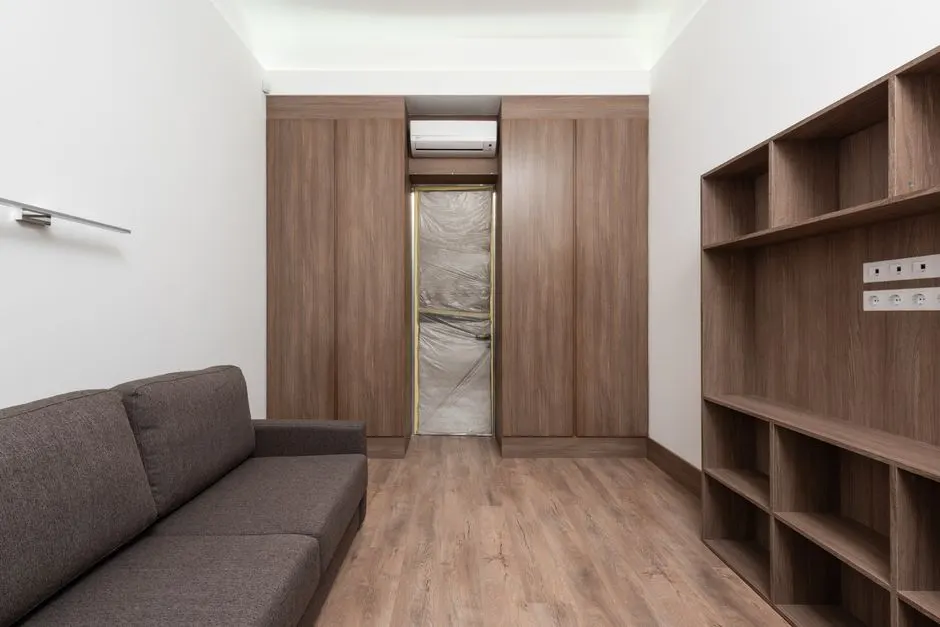
Failed spray foam does not sit still. It traps moisture against timber, blocks roof ventilation and puts mortgage applications on hold. Here is what changes once the foam is out and the roof space is breathing again.
Unblocks your mortgage
Lenders routinely refuse loans on homes with spray foam at the rafters. We remove the foam, photograph the cleaned structure and provide the paperwork your surveyor needs. Most Cheltenham sales we unblock complete within four to six weeks of the strip-out.
Stops timber rot spreading
Foam holds rainwater against rafters and battens for years. By the time you smell it, rot has often reached 20-30% of the timber depth. Removing the foam lets us treat and dry the affected sections before they need full replacement.
Restores roof ventilation
A blocked roof ventilation path pushes condensation into the loft, then into plasterboard ceilings. Once the foam is gone we check every vent gap and clear the blockage, which drops loft humidity back to normal within a week or two.
Cuts damp smells and condensation
That musty loft smell is trapped moisture, not old carpet. After a full strip-out and air scrubber pass, most customers in St Paul's and Tivoli tell us the smell is gone within days, and window condensation in the rooms below eases off through the winter.
Google ★★★★★4.9
Surveyed on Tuesday, quoted the same day, stripped the loft in two days. The photo record and moisture readings were exactly what our buyer's lender asked for. Sale completed five weeks later.
Google ★★★★★4.8
They used a boroscope to find rot we did not know about and priced the timber treatment before starting. No surprises on the invoice. The loft smells fresh for the first time in years.
Checkatrade ★★★★★4.9
Closed cell foam removed with dry ice blasting, no damage to the rafters. Dehumidifiers ran for two days and they showed us the moisture readings before and after. Proper job.
Spray Foam Heritage Homes has been removing spray foam since 2021, working on Cheltenham's Victorian terraces, 1930s semis and newer Kingsway builds. Our technicians hold PASMA and IPAF access tickets, work to CHAS and SafeContractor standards, and follow BPCA guidance on controlled waste handling. We have cleared foam from lofts, cavity walls, warehouses and roof decks, and we know the difference between foam that just needs removing and foam that has already caused structural rot.
Real answers to the questions we hear most often from local homeowners and property managers.
If you are searching for spray foam removal near me in Cheltenham, this is the core service. We strip foam from lofts, rafters and cavities across the GL postcodes, usually within two weeks of your survey.
View Spray Foam Removal near meFor urgent cases, like a surveyor visiting next week or a leak that has soaked the foam, we can arrange same day spray foam removal in Cheltenham where access allows. Call us before 10am and we will tell you honestly if we can fit you in.
View same day Spray Foam RemovalWater pouring through foam-covered rafters does not wait for office hours. Our 24/7 spray foam removal line covers Cheltenham for emergency call-outs, so you can stop the damage spreading before a full strip-out is booked.
View 24/7 Spray Foam RemovalMost of our work is residential spray foam removal across Cheltenham's terraces, semis and detached homes. We protect carpets, seal the loft hatch and keep dust out of your living space while we work.
View Residential Spray Foam RemovalWe handle commercial spray foam removal for Cheltenham warehouses, workshops and office units, often working out of hours to avoid disrupting your operation. Larger floor areas are priced per square metre after a site survey.
View Commercial Spray Foam RemovalLoft spray foam removal is our most common Cheltenham job. We lift foam from rafters, felt and loft floors, then check every ventilation gap and log moisture readings so you can see the timber drying.
View loft spray foam removalCall us on 01242375143 or email [email protected] and we will arrange a free survey at your Cheltenham property. Our phone line is answered 24/7, and we aim to book surveys within 48 hours across Gloucestershire. If you have photos of the foam, send them over and we can often give you an initial view before we visit.
Phone
01242375143Address
15-21 Clarence Street, Cheltenham, GL50 3JL, UK, Cheltenham, Gloucestershire
Hours
Mon–Fri: 7AM – 7PM
Sat: 8AM – 4PM
Sun: Emergency Only
24/7 Emergency Available