Arle Court
Arle Court sits at the eastern edge of the estate and is the easiest orientation point for jobs on the Arle Road and Windyridge side. We use it to route crews in and to judge traffic before booking a start time.

Spray foam removal in Arle Gloucestershire is a specialist job, and Arle has more of it than most parts of Cheltenham. The suburb sits between Arle Court and the Hatherley Lane corridor, a mix of 1930s semis, 1970s estate housing and newer infill, and plenty of those lofts were filled with open cell spray foam or closed cell spray foam during the insulation grant years. We have been working these streets since 2021, so we know which roof types on Arle Avenue and Tewkesbury Road give us the tightest access and where the ventilation gaps usually sit. Our technicians use a boroscope and thermal imaging camera first, so we only remove what is actually causing the problem. Then it comes out with dry ice blasting, thermal removal tools and an industrial vacuum, with an air scrubber running to keep dust out of your home. If you need spray foam removal near Arle at short notice, we can usually be on site the same day.
Every job in Arle starts the same way: we look before we cut. Some lofts need the full foam stripped back to bare timber, others just need the blocked eaves cleared and the ventilation restored. If you have been searching for spray foam removal near me in Arle, this is the list of what we actually turn up and do, from a single loft on Arle Avenue to a warehouse unit off the Tewkesbury Road.
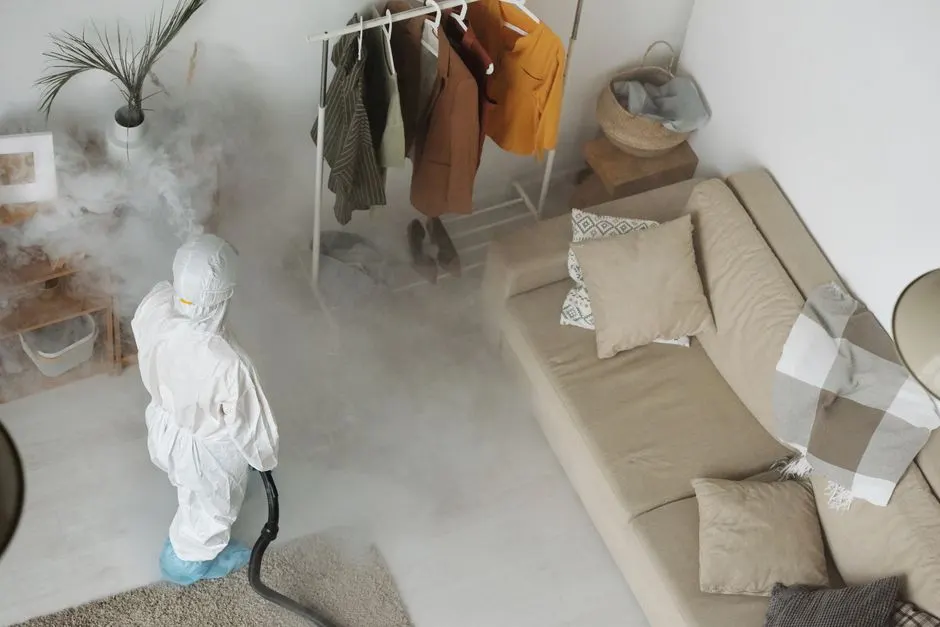





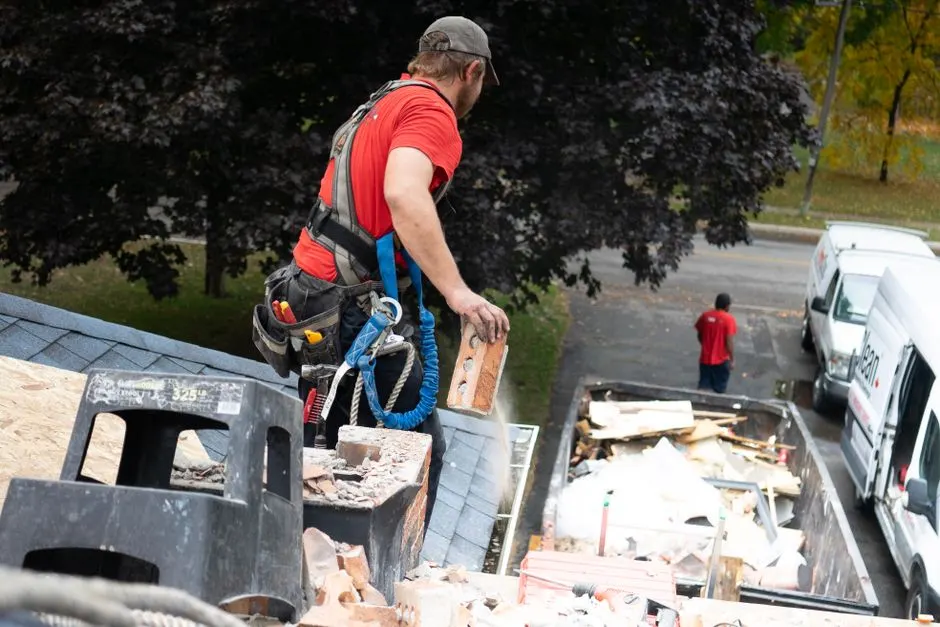





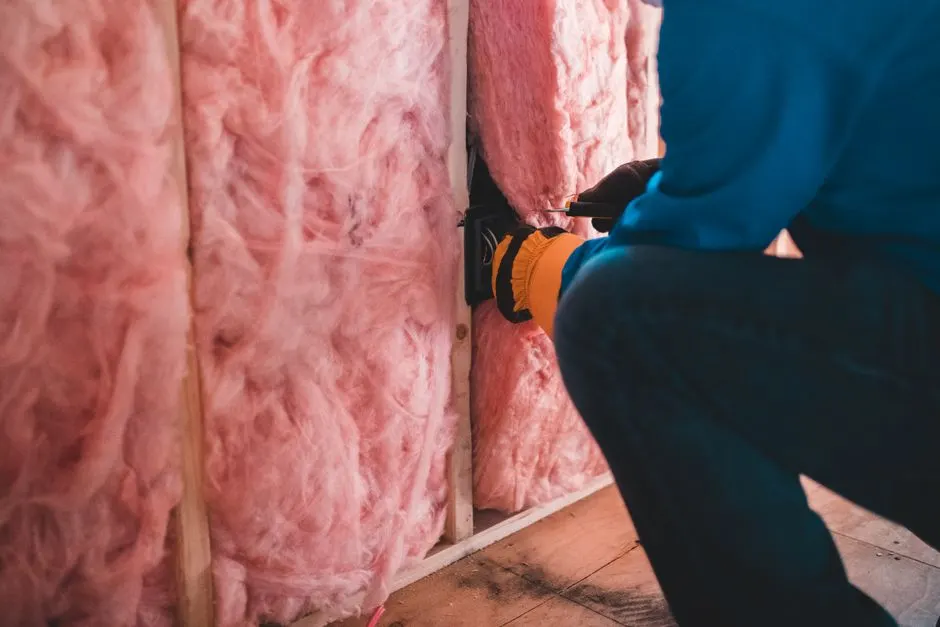


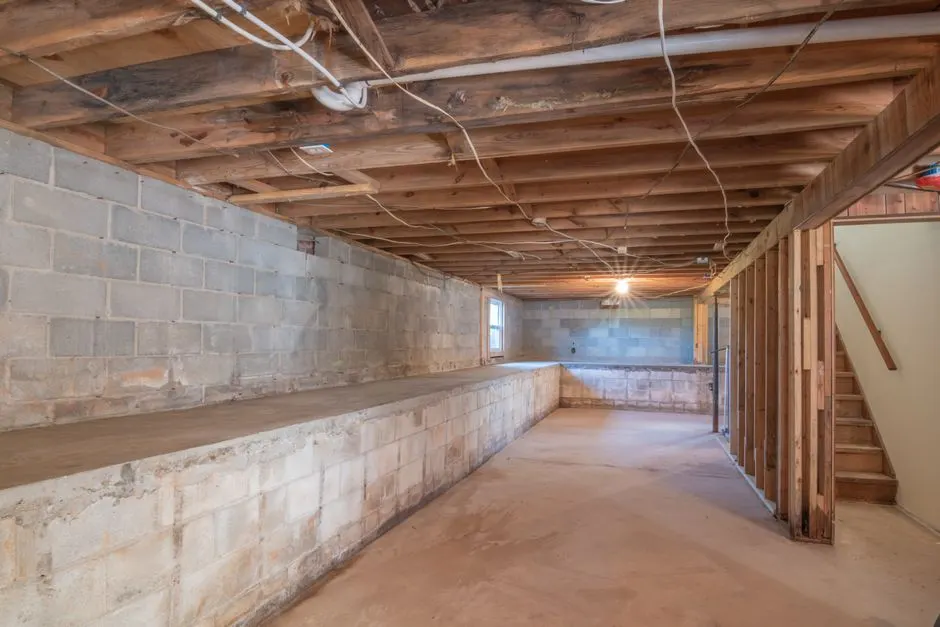
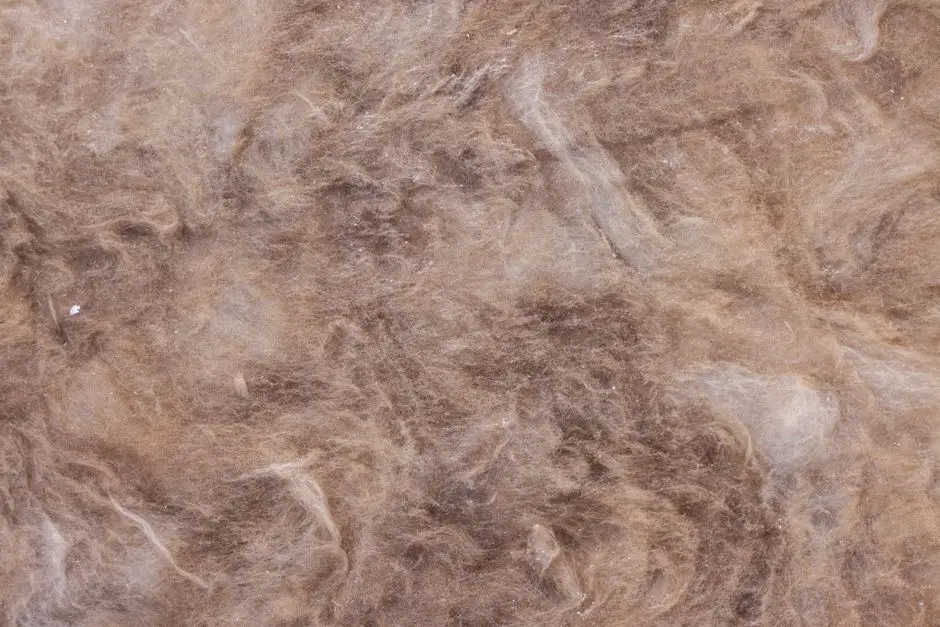


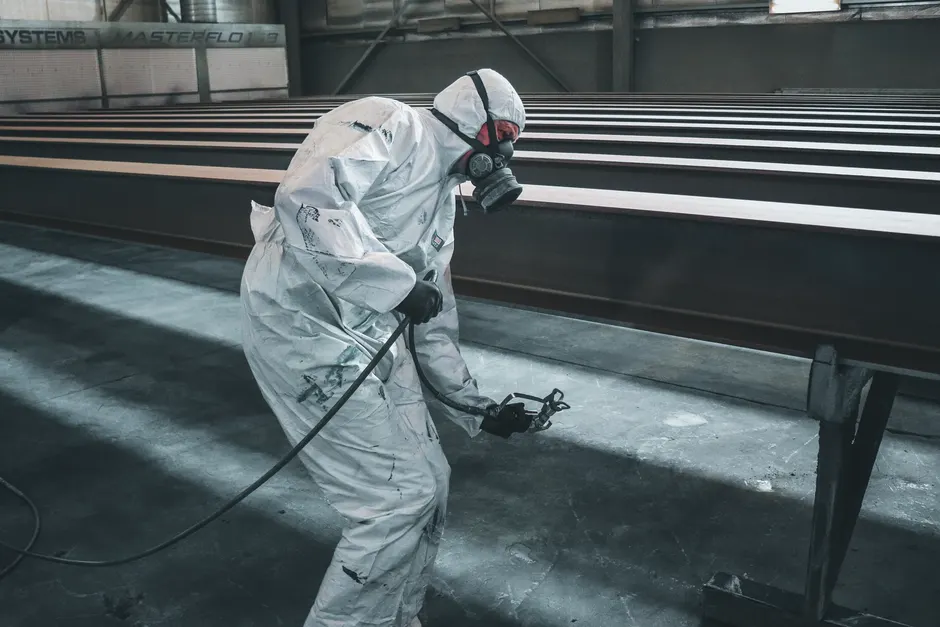
Arle has a particular mix of housing and weather that makes certain foam problems turn up again and again. The estate's post-war semis and 1930s terraces have shallow lofts and tight eaves, and Cheltenham's damp winters push moisture into any roof that cannot breathe. Add the number of properties that changed hands in recent years, and you get a steady stream of surveyor-flagged foam. These are the four problems we see most.
Foam is often sprayed right into the eaves gap, which is the only route for moist air to escape. In Arle's shallow lofts there is little space for air to move anyway, so the blockage causes condensation within a season or two.
Once ventilation is blocked, moisture condenses on the cold side of the rafters and soaks into the wood. On older Arle properties the timber is already dry and brittle, so rot takes hold faster than you would expect.
Lenders see spray foam as a risk because it hides the roof structure and can trap moisture. In a fast-moving market like Cheltenham, a flagged survey can stall a sale even when the foam itself is sound.
Foam soaks up water and hides the evidence. A small leak around a chimney or flashing can go unnoticed for years, quietly rotting the battens underneath while the foam holds the damp against them.
Spray foam does not usually announce itself. Most Arle homeowners find out when a surveyor, a lender or a damp patch forces the issue. If you recognise any of the signs below, it is worth getting the loft looked at before the problem spreads into the timbers. A quick assessment costs nothing and tells you whether you actually need removal or just better ventilation.
Damp or musty smell in an upstairs room
That smell is usually trapped moisture condensing on cold rafters because the foam has sealed the roof ventilation. Left alone, it soaks into the timber and can start rot. It is worth a moisture meter check before the smell turns into staining.
Condensation on rafters or roof felt
Water beads on the underside of the roof because warm moist air cannot escape. Foam makes this worse by blocking the eaves gap. If you see regular condensation, the ventilation path is almost certainly blocked and the foam is the cause.
Mortgage lender or surveyor flags the foam
Lenders treat spray foam as a risk because it hides the roof structure and can trap moisture. A flagged report usually means removal is required before completion. We handle these deadline jobs regularly in Arle and can provide the evidence pack your lender wants.
Visible foam across the rafters
If you can see foam sprayed across the roof timbers, it is already sealing the structure. Not every foam job needs full removal, but it does need assessing. We check with a boroscope whether the timber underneath is dry or already holding moisture.
Rising heating bills after foam was installed
Foam that has soaked up water loses its insulating value and can make the loft colder, not warmer. If your bills crept up after the foam went in, the insulation has likely failed. Removal and a proper breathable spec usually fixes it.
Arle is compact but the road layout catches people out, especially around the Arle Court junction where the estate roads meet the main route. We use the landmarks below to orient crews and to plan where we park and unload. If you are giving us directions, mention the nearest of these and we will find you.
Arle Court sits at the eastern edge of the estate and is the easiest orientation point for jobs on the Arle Road and Windyridge side. We use it to route crews in and to judge traffic before booking a start time.
The GCHQ site is a well-known local reference point on the Hatherley Lane side of Arle. It helps us place jobs quickly when a customer gives a street name we have not worked before, and it marks the boundary between the GL51 6 and GL51 8 sides.
Windyridge and the open space around it sit close to Windyridge Road and the western edge of the estate. It is a useful marker for the more exposed properties where foam tends to hold damp, and it helps us plan access on the narrower residential turns.
Hatherley Lane is the main link between Arle and the Hatherley suburbs. We use it as the primary route in for jobs on the southern side of the estate and to estimate travel time from our previous job of the day.
ZIP coverage on request — call to confirm.
Arle takes the weather that rolls in off the western side of Cheltenham, and the seasons change what we find in lofts. Autumn is when most people notice a problem, because the first cold snap and the first heavy rain expose damp that has been building all summer. Here is how the year usually runs for spray foam removal in Arle Gloucestershire.
Spring is when damp patches and musty smells become obvious after a wet winter. Foam that has held moisture against the rafters all season starts to show staining. It is also a busy time for sales, so lender-flagged removals pick up.
Tip: Get the loft checked in spring before the warm weather arrives. Drying timbers out early stops rot taking hold and makes the removal job quicker.
Summer is the easiest time to work in a loft, with dry timbers and good drying conditions after removal. It is also when homeowners have time to deal with a surveyor's report before an autumn sale.
Tip: Book removal in summer if you can. Timbers dry faster, and you have time to reinsulate properly before the cold returns.
Autumn is our busiest season in Arle. The first cold nights and heavy rain expose condensation and leaks that foam has been hiding, and the phone starts ringing. Same-day slots get tight from October onwards.
Tip: If you notice a new damp smell or condensation in autumn, call early. Getting on the schedule before the rush means the job is done before winter sets in.
Winter is when trapped moisture does the most damage. Foam holds damp against cold timber for weeks, and any hidden leak gets worse. Emergency callouts for water coming through a foam-filled roof peak between December and February.
Tip: If water is coming through, call us straight away. We will talk you through making it safe, then get a technician out to remove the saturated foam and stop the damage spreading.
Arle sits on the western side of Cheltenham, and we cover the surrounding suburbs as one service area. If you are in a neighbouring district and want the same crew, the same kit and the same standard of removal, we will get to you. These are the areas we work most often alongside Arle.
(City)
About 2.5 miles east of Arle. Montpellier's larger Victorian properties often have foam in deep roof voids, and we move between the two areas regularly.
View Montpellier(City)
Roughly 2 miles north east of Arle. Lansdown customers usually come to us for mortgage lender spray foam removal on period homes with complex roof structures.
View Lansdown(City)
Around 2.5 miles from Arle. Pittville's larger houses need scaffolding for roof-level foam removal, and we often pair those jobs with Arle bookings in the same week.
View Pittville(City)
About 3.5 miles south east of Arle. Charlton Kings jobs are mostly loft spray foam removal on family homes, and we cover them from the same Arle base.
View Charlton Kings(City)
Roughly 3 miles south of Arle. Leckhampton has a similar mix of post-war housing to the Arle estate, so the removal methods and timings are much the same.
View Leckhampton(City)
About 2 miles south west of Arle. Benhall customers often book insulation assessment first, then removal, and we schedule both visits together.
View BenhallReal answers from our team for the questions we hear most often before a job starts.
If foam is blocking your roof ventilation, holding damp against the timbers, or has your mortgage lender asking questions, call us on 01242375143. We have worked Arle since 2021, we survey before we quote, and we provide the photo record your lender needs. Same day and 24/7 callouts are available across GL51 6 and GL51 8. One call and we will tell you straight whether the foam needs to come out.
Call us on 01242375143 or email [email protected] and we will arrange a free survey at your Cheltenham property. Our phone line is answered 24/7, and we aim to book surveys within 48 hours across Gloucestershire. If you have photos of the foam, send them over and we can often give you an initial view before we visit.
Phone
01242375143Address
15-21 Clarence Street, Cheltenham, GL50 3JL, UK, Cheltenham, Gloucestershire
Hours
Mon–Fri: 7AM – 7PM
Sat: 8AM – 4PM
Sun: Emergency Only
24/7 Emergency Available