St George's Church
A useful orientation point for jobs around Church Lane and the older village streets. If you can see the church, we are close, and it helps us route to the right lane rather than the main road.

Spray foam removal in Brockworth Gloucestershire is a specialist job, and it is one we have handled since 2021 across the GL3 4 and GL3 5 postcodes. Brockworth is a village near Gloucester with a real mix of housing: older cottages around Church Lane and Ermin Street, 1960s and 1970s semis, and newer builds on the edge of Gloucester Business Park. Plenty of these lofts were sprayed with Icynene or Lapolla foam years ago as a cheap insulation fix, and now the owners are finding out the hard way that it traps moisture against the rafters. We are a spray foam insulation removal Brockworth Gloucestershire company first and foremost, so we are not trying to sell you a new foam install. We assess the roof, cut the foam out, and leave the timbers able to breathe again.
Every job starts with a proper look at the roof, not a phone guess. We bring a boroscope and a moisture meter into the loft, check whether the foam is open cell or closed cell, and tell you straight whether it needs to come out. If you have been searching for spray foam removal near me in Brockworth, this is the page to call from. We cover lofts, roofs, cavity walls and commercial units across the GL3 area.
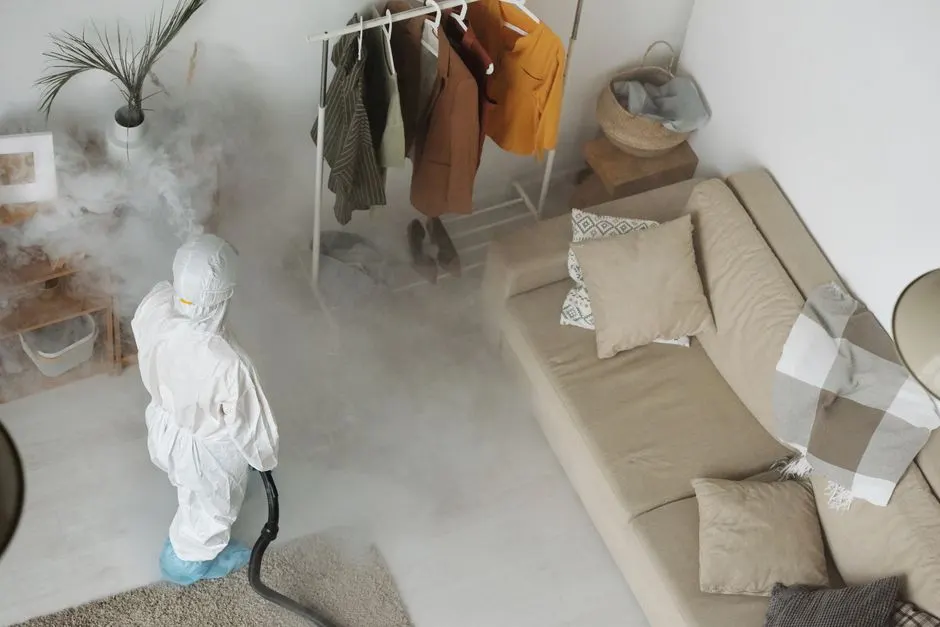




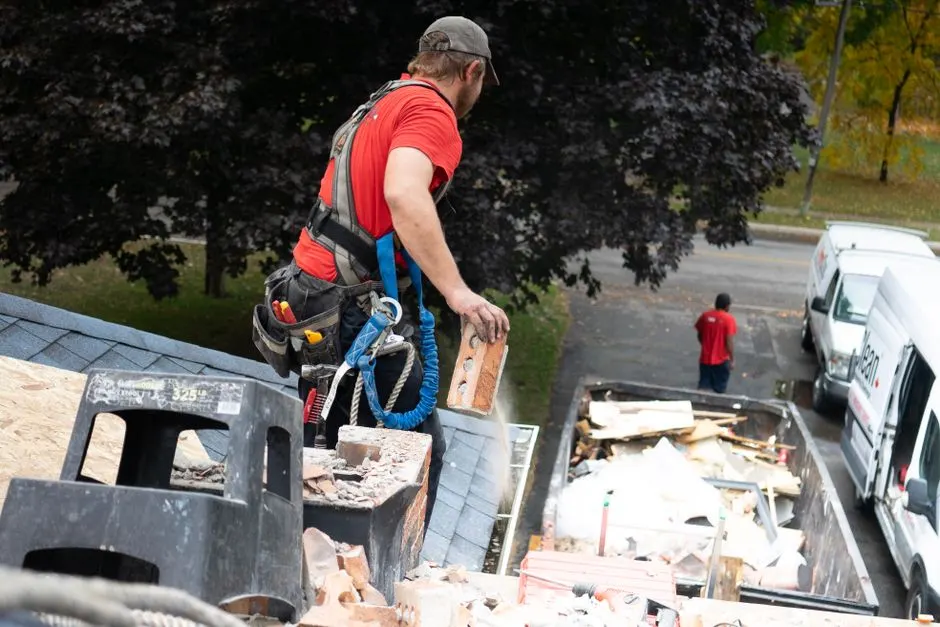




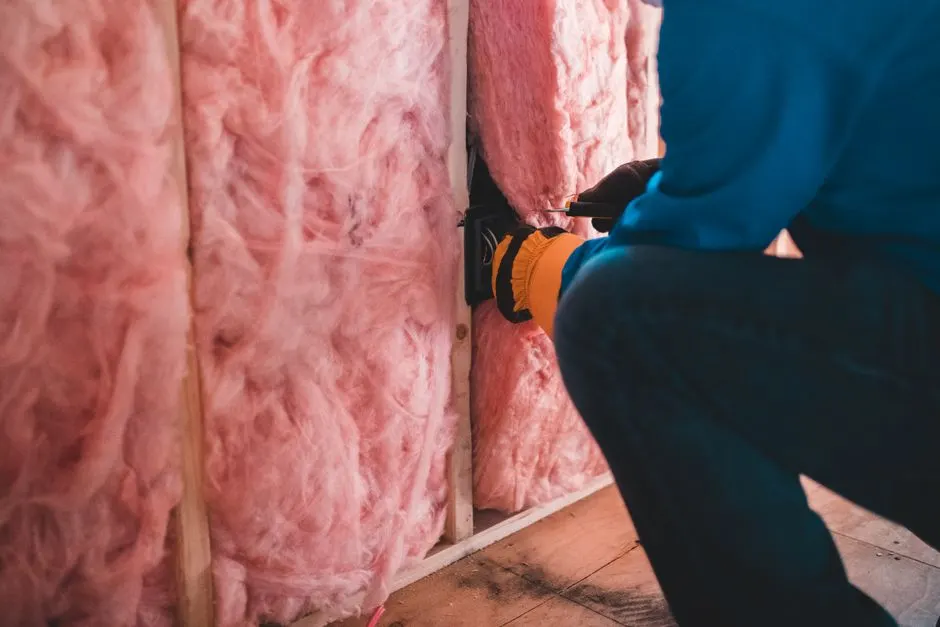


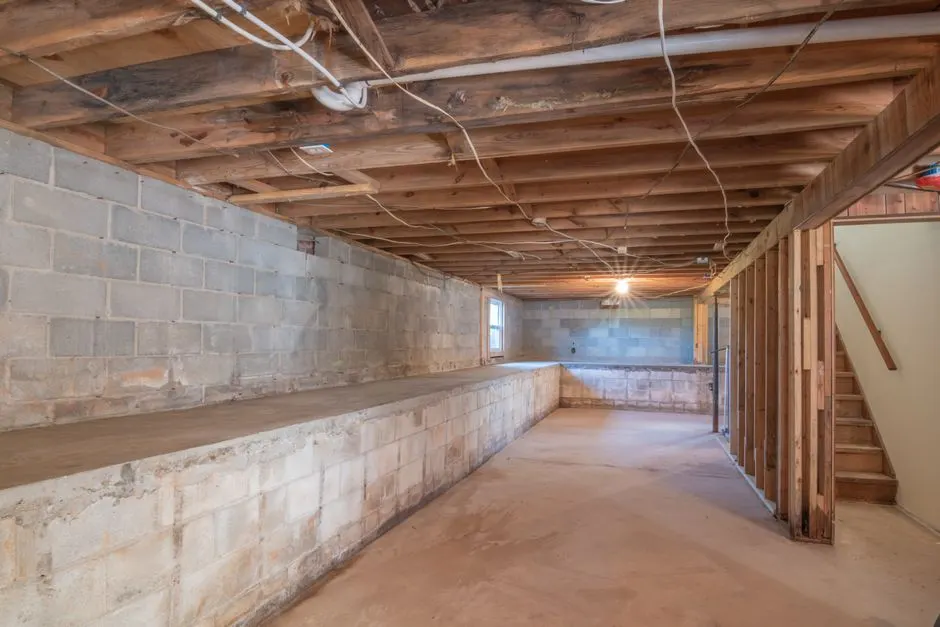
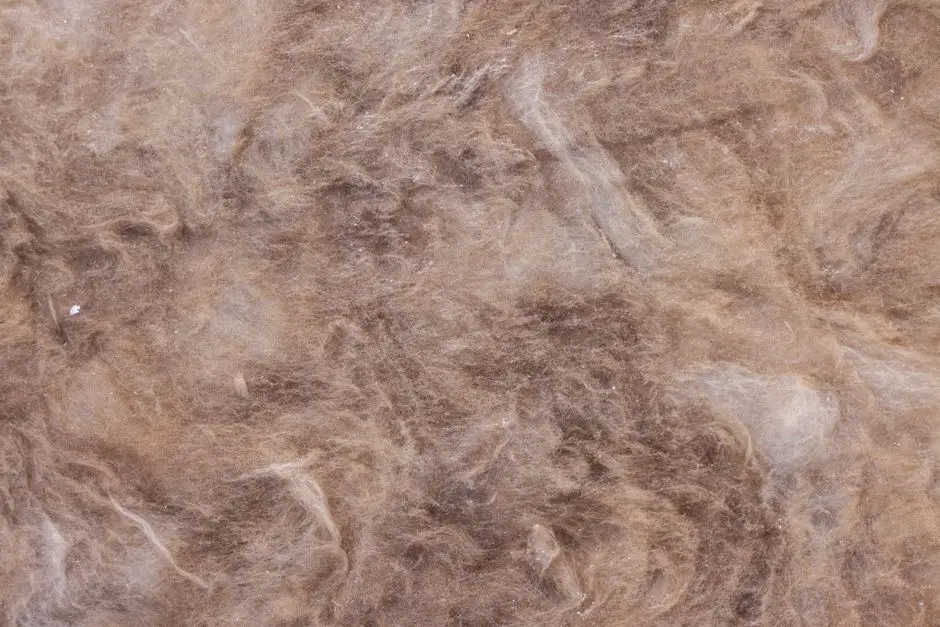


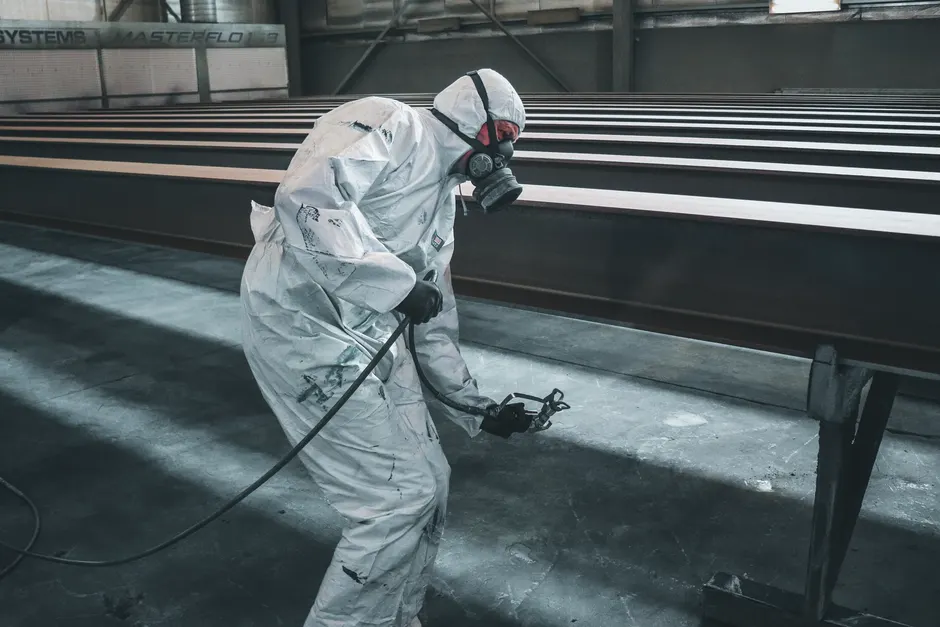
Brockworth has a specific mix of conditions that make spray foam problems show up more often than you might expect. The village sits close to the M5 and the A417, so the area is exposed to damp south-westerly weather. The housing stock is mixed, with older cottages that have thin rafters and newer homes with tight roof voids. Add in a wave of cheap foam installs in the 2000s and 2010s, and you get the pattern of problems we see week in, week out. Our spray foam removal near Brockworth work is shaped by these local realities.
Foam is often sprayed right down to the eaves, sealing the gap the roof needs for airflow. In a wet, exposed area like Brockworth, that trapped moisture has nowhere to go and condenses on the rafters through winter.
Spray foam hides the roof structure, so a slow leak from a cracked tile can go unnoticed for years. By the time it shows as a stain on a ceiling, the rafter underneath is often already wet and soft.
Lenders treat spray foam as a risk because it can conceal structural problems. In a commuter area like Brockworth, where buyers are often stretched and chains are tight, a refused mortgage can collapse a sale quickly.
The cottages around Church Lane and the old village core have thinner rafters than modern builds. When foam traps moisture against them, rot sets in faster. By the time it is visible, the timber may need sistering or replacement.
Spray foam does not usually announce itself with a dramatic failure. It quietly blocks ventilation, holds moisture against the timber, and shows up in a survey or a mortgage valuation rather than in daily life. These are the triggers we hear most often from Brockworth homeowners. If any of them sound familiar, it is worth getting an assessment before the problem spreads.
Surveyor or lender has flagged the foam
This is the most common reason people call us in Brockworth. Lenders treat spray foam as a defect because it hides the roof structure, and a valuation can stall until it is removed. The sooner you book a survey, the less risk to your sale timeline.
Damp or dark staining on rafters
Foam sprayed onto roof felt blocks the airflow the roof needs. Condensation builds through winter and the timber darkens. Left alone, that turns into timber rot, which is a much bigger and more expensive job than removing the foam.
Condensation on loft windows or pipework
If you are seeing water droplets on a loft window or on cold pipework, the loft is not breathing. Foam is often the cause because it seals the roof space. A moisture meter reading will confirm whether the timber is already taking on water.
Foam coming loose or crumbling
Older foam can delaminate and drop onto stored items or insulation below. It usually means the bond has failed, often because moisture has got behind it. Once it starts falling, removal is the only sensible fix.
You are planning to re-insulate the loft
You cannot install a compliant insulation system over spray foam that is blocking the rafters. If you want to bring the loft up to current standards, the foam has to come out first. We leave the space clean and ready for your installer.
Brockworth is compact, but the road layout around the village and the business park can catch people out. We use local landmarks as orientation points when we are scheduling jobs and routing vans, especially when two call-outs are booked close together. If you are giving directions, a landmark is often easier than a postcode, particularly on the newer estates where sat-nav sends you to the wrong side of a fence.
A useful orientation point for jobs around Church Lane and the older village streets. If you can see the church, we are close, and it helps us route to the right lane rather than the main road.
A clear reference point for the residential streets on the village side. We use it to split jobs north and south of the park when planning a morning run of two or three call-outs.
The main marker for our commercial work in the area. Units around here often have large roof voids, and knowing the centre's layout helps us find the right service entrance on the first visit.
A large employment area on the Brockworth side of Gloucester. We use it as the reference point for the newer residential streets and commercial units that sit along its edges.
ZIP coverage on request — call to confirm.
Brockworth gets a fair amount of rain and damp south-westerly weather, which is exactly the condition that turns trapped moisture into a real problem. Demand for spray foam removal here follows the seasons: surveys spike in autumn and winter when damp shows up, and again in spring when people start planning loft conversions and re-insulation. If you are searching for spray foam removal near me in Brockworth, the time of year can affect how quickly we can get to you and what we find when we arrive.
Spring is when damp patches that built up over winter become obvious, and when people start planning loft conversions. Surveys booked now often reveal rafters that have been wet for months, so early action saves timber.
Tip: Book a survey before you start any loft conversion work. Removing foam first avoids having to redo boarding or plasterboard later.
Drier conditions make removal cleaner and faster, and scaffolding is safer to erect. It is the best time of year to tackle a closed cell roof that needs dry ice blasting, because there is less moisture in the timber to start with.
Tip: If you are selling in autumn, get the foam out over summer. It gives you time to re-insulate and get the paperwork ready for a surveyor.
Autumn is our busiest survey season in Brockworth. As temperatures drop, condensation starts forming on rafters and loft windows, and homeowners notice problems they missed in summer. Mortgage-related jobs also pick up as people try to complete before Christmas.
Tip: Ring early if you have a sale in progress. Survey slots fill up quickly from October onwards, and a delay can push completion into the new year.
Winter is when trapped moisture does the most damage. Cold rafters plus warm, moist air from the house equals heavy condensation, and foam that is already failing can start to drop. Emergency call-outs go up, especially after storms.
Tip: If you spot foam coming loose or a new damp patch, do not wait for spring. A moisture meter reading now tells you whether the timber is still sound.
Brockworth sits in the middle of our patch, so we cover the surrounding Gloucestershire towns and suburbs on the same runs. If you are just outside the village, ring us anyway, because there is a good chance we are already working nearby that week. Distances below are approximate road miles from Brockworth.
(City)
About 5 miles south-west via the A46 into Cheltenham. We regularly pair Montpellier jobs with Brockworth call-outs on the same day.
View Montpellier(City)
Roughly 6 miles into Cheltenham. Larger period homes here often have complex roof structures, so we allow extra survey time.
View Lansdown(City)
About 6 miles north-west. A mix of Regency and later housing, and we see spray foam in loft conversions from the 1990s and 2000s.
View Pittville(City)
Around 7 miles east. Detached homes with big lofts, and we often combine these with Brockworth jobs when scheduling a week.
View Charlton Kings(City)
About 6 miles south-west. Popular family area with 1930s semis, and spray foam in the rear roof slope is a common find.
View Leckhampton(City)
Roughly 5 miles west. Close enough that we can often fit a Benhall survey in on the way back from a Brockworth job.
View BenhallReal answers from our team for the questions we hear most often before a job starts.
If spray foam is holding up your mortgage, trapping moisture in your rafters, or just sitting in a loft you want to re-insulate, we can help. We survey first, quote a fixed price, and use the right removal method for your foam type. Call 01242375143 and we will tell you honestly what is involved and when we can get to Brockworth.
Call us on 01242375143 or email [email protected] and we will arrange a free survey at your Cheltenham property. Our phone line is answered 24/7, and we aim to book surveys within 48 hours across Gloucestershire. If you have photos of the foam, send them over and we can often give you an initial view before we visit.
Phone
01242375143Address
15-21 Clarence Street, Cheltenham, GL50 3JL, UK, Cheltenham, Gloucestershire
Hours
Mon–Fri: 7AM – 7PM
Sat: 8AM – 4PM
Sun: Emergency Only
24/7 Emergency Available