Hucclecote Park
A local park off Hucclecote Road. We use it as a reference point for the residential streets that surround it, particularly when parking is tight and we need to find the nearest access point.

Spray foam removal in Hucclecote Gloucestershire is a specialist job, and we have been doing it here since 2021. Hucclecote sits between Cheltenham and Gloucester, a family suburb with a mix of 1960s semis, 1970s detached homes and newer builds around Metz Way. Many of these lofts were filled with open cell or closed cell spray foam over the last fifteen years, often by homeowners chasing quick insulation grants. The problem is that foam traps moisture against the timber, blocks roof ventilation and can make a property unmortgageable. We remove Icynene, Lapolla, Demilec, BASF and Huntsman foams using dry ice blasting machines, thermal removal tools and industrial vacuums, then we test the timbers with a moisture meter and boroscope before we leave. Whether you need Hucclecote spray foam removal for a sale, a remortgage or because you have spotted condensation in the loft, we handle the whole job. We also cover spray foam removal near Hucclecote for landlords and commercial units around the GL3 3 and GL4 3 postcodes.
We offer the full range of spray foam removal services in Hucclecote, from a single loft extraction to full commercial strip-outs. Most homeowners here search for spray foam removal near me in Hucclecote when a surveyor has flagged the foam, and we can usually get someone out the same week. Whether it is a 1960s semi off Hucclecote Road or a warehouse unit near Metz Way, we have the tools and the tickets for the job.











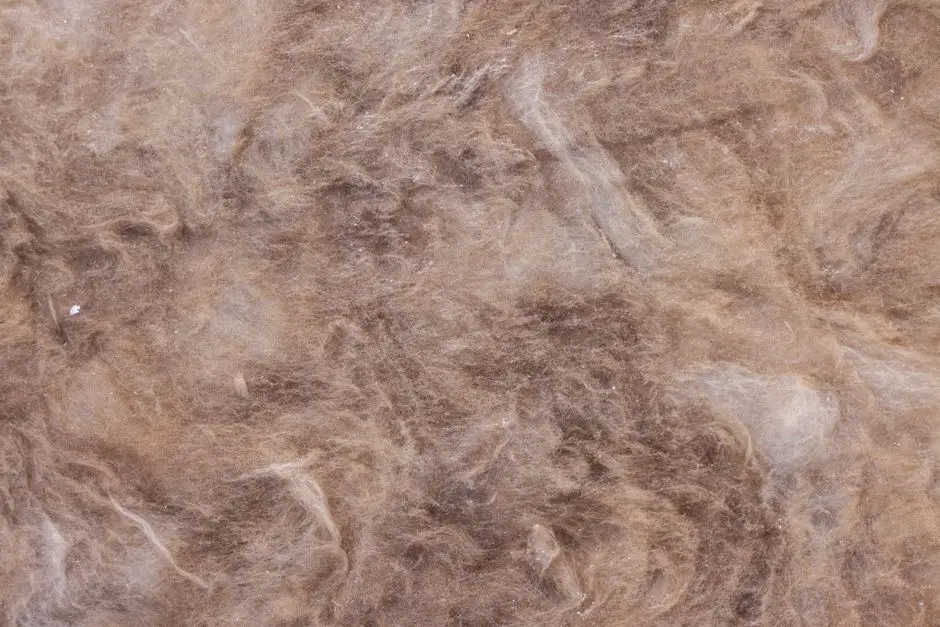



Hucclecote has a specific set of conditions that make spray foam problems more likely. The area sits low between the Cotswolds and the Severn, so lofts see more damp air. Most homes were built between 1955 and 1985, which is exactly when spray foam was heavily marketed. Add in tighter mortgage lending rules, and we see four recurring problems here.
Hucclecote's position in the Severn Vale means higher humidity than nearby higher ground. Spray foam seals the roof, so moisture from inside the house cannot escape. It condenses on cold timbers and eventually causes rot. Homes near Hucclecote Park and the village centre are especially prone.
Lenders now treat spray foam as a risk because they cannot confirm the roof is ventilated. In Hucclecote, where many homes are 40 to 60 years old, this affects a large number of sales. Buyers get stuck and need a fast solution before completion.
When spray foam is applied, it often fills the eaves and blocks the vents that let air circulate. Without airflow, the loft becomes a trap for damp air. This is common in 1960s and 1970s homes around Gransmoor Lane and Hucclecote Road.
Some Hucclecote homes had cavity wall foam injected in the 2000s. When the foam bridges the damp course, moisture travels up through the wall and causes damp patches and blown plaster inside. It is a different problem to loft foam and needs thermal imaging to find it.
Spray foam does not always announce itself with obvious symptoms. In Hucclecote, many homeowners only find out there is a problem when a surveyor flags it or when damp patches appear on the ceiling. Here are the five signs we see most often. If any of these sound familiar, it is worth getting an assessment before the problem gets worse.
Damp or musty smell in the loft
A musty smell usually means trapped moisture is feeding mould on the timber. Spray foam stops the roof from breathing, so condensation builds up behind it. In Hucclecote's damp climate, this can happen within a few years of foam being installed. It is an early warning sign worth acting on.
Condensation dripping from the loft hatch
Water droplets on the hatch or roof timbers mean warm moist air is hitting a cold surface and condensing. Foam makes this worse by blocking ventilation. If you see drips, the timber is already getting wet and rot may follow. Get it checked before the damage spreads.
Mortgage lender or surveyor flags spray foam
Lenders increasingly refuse mortgages on homes with spray foam because they cannot confirm the roof is ventilated. If your buyer's surveyor has flagged it, you need a removal report to proceed. We can usually fit these jobs in within 48 hours.
Visible timber rot around rafters
Soft, dark or crumbling timber near the foam means rot has set in. This happens when moisture is trapped against the wood for months or years. Rot weakens the roof structure and can spread. It needs removing and treating before new insulation goes in.
Cold upstairs rooms despite insulation
Spray foam can actually make rooms colder if it blocks ventilation and causes damp insulation. If your upstairs feels cold and clammy, the foam may be doing more harm than good. A thermal imaging camera can confirm what is happening behind the plasterboard.
Hucclecote is a compact suburb, and we use its landmarks to navigate quickly. Hucclecote Park is a useful reference point for the streets around it, and St Michael's Church helps us locate the older village streets. Hucclecote Library on Hucclecote Road is another marker we use when planning routes. If you are giving us directions, mentioning one of these landmarks usually gets us to the right place faster than a postcode alone.
A local park off Hucclecote Road. We use it as a reference point for the residential streets that surround it, particularly when parking is tight and we need to find the nearest access point.
Located on Hucclecote Road, the library is a useful marker for the middle section of the road. It helps us identify which end of the street a job is on when giving arrival times.
The church sits near the older part of Hucclecote Village. We use it to orient ourselves when working on the narrow streets around the village centre, where house numbers are not always obvious.
ZIP coverage on request — call to confirm.
Hucclecote's climate changes through the year, and that affects when spray foam problems become obvious. Autumn and winter are when most homeowners notice damp and condensation. Spring and summer are better for planned removal work because the loft is drier and access is easier. Here is what to expect each season.
Spring is a good time to plan spray foam removal in Hucclecote. Lofts are drying out after winter, so moisture readings are more accurate. If you noticed damp over winter, spring is the time to act before the problem gets worse.
Tip: Book an assessment in March or April so any removal work can be done before the warmer months. This also gives you time to arrange new insulation before next winter.
Summer is the easiest time for removal work. Lofts are dry, access is safer, and there is less risk of rain affecting roof work. It is also a good time to check roof ventilation and fit vents if needed.
Tip: If you are planning a sale or remortgage, summer is the ideal time to get the foam removed and the report ready. Lenders are often busier in autumn, so getting ahead helps.
Autumn is when damp problems start to show again. As temperatures drop, condensation forms on cold timbers and you may notice a musty smell. This is the busiest time for spray foam removal in Hucclecote.
Tip: If you spot condensation or a musty smell in September or October, book an assessment early. Slots fill up quickly as more homeowners notice problems.
Winter is when spray foam problems are most obvious. Condensation drips from loft hatches, damp patches appear on ceilings, and cold upstairs rooms become uncomfortable. Emergency jobs are more common in December and January.
Tip: If you have an emergency like a leak onto foam or a collapsed ceiling, call our 24/7 line. For non-urgent work, book early for a spring slot to avoid the winter rush.
Hucclecote sits between Cheltenham and Gloucester, so we cover a wide patch of Gloucestershire from here. We regularly work in the surrounding towns and suburbs, and we can usually reach most of them within 30 minutes. If you are just outside Hucclecote, call us and we will confirm coverage.
(City)
About 5 miles from Hucclecote, in Cheltenham. We work on period properties here where spray foam has been applied to older roof structures.
View Montpellier(City)
Roughly 5 miles away, near Cheltenham racecourse. Larger detached homes with complex roof layouts and occasional spray foam in loft conversions.
View Lansdown(City)
About 6 miles from Hucclecote. A mix of Regency and Victorian homes where spray foam removal needs a gentler approach to avoid damaging historic timbers.
View Pittville(City)
Around 7 miles away, on the edge of the Cotswolds. We see more open cell foam here in 1970s and 1980s homes.
View Charlton Kings(City)
About 6 miles from Hucclecote. Family homes with lofts that often have spray foam applied to the rafters, similar to what we see in Hucclecote.
View Leckhampton(City)
Roughly 4 miles away, just south of Cheltenham. A mix of 1960s and 1970s housing with similar spray foam issues to Hucclecote.
View BenhallReal answers from our team for the questions we hear most often before a job starts.
If spray foam is causing problems in your Hucclecote home or business, call us on 01242375143. We have been removing foam across Hucclecote since 2021 and we know the local housing stock. We provide a free assessment, a firm quote and a lender-ready report when the job is done. Same day and 24/7 emergency call-outs are available.
Call us on 01242375143 or email [email protected] and we will arrange a free survey at your Cheltenham property. Our phone line is answered 24/7, and we aim to book surveys within 48 hours across Gloucestershire. If you have photos of the foam, send them over and we can often give you an initial view before we visit.
Phone
01242375143Address
15-21 Clarence Street, Cheltenham, GL50 3JL, UK, Cheltenham, Gloucestershire
Hours
Mon–Fri: 7AM – 7PM
Sat: 8AM – 4PM
Sun: Emergency Only
24/7 Emergency Available