St Mark's Church
A tall landmark that helps us orient the northern streets around St Mark's Road and Devon Avenue. If we can see the church, we know which way the terraces run and where the nearest parking is.

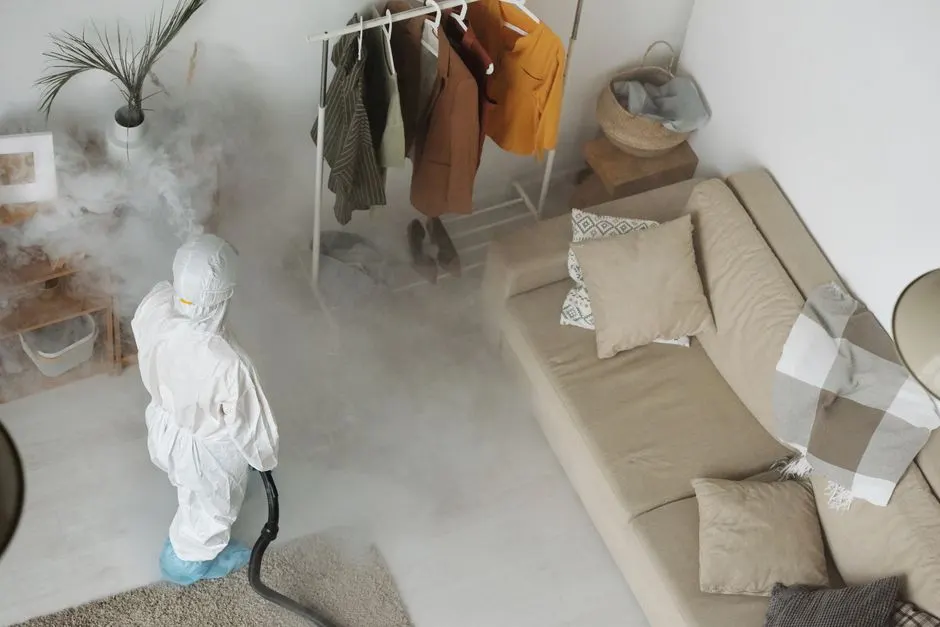
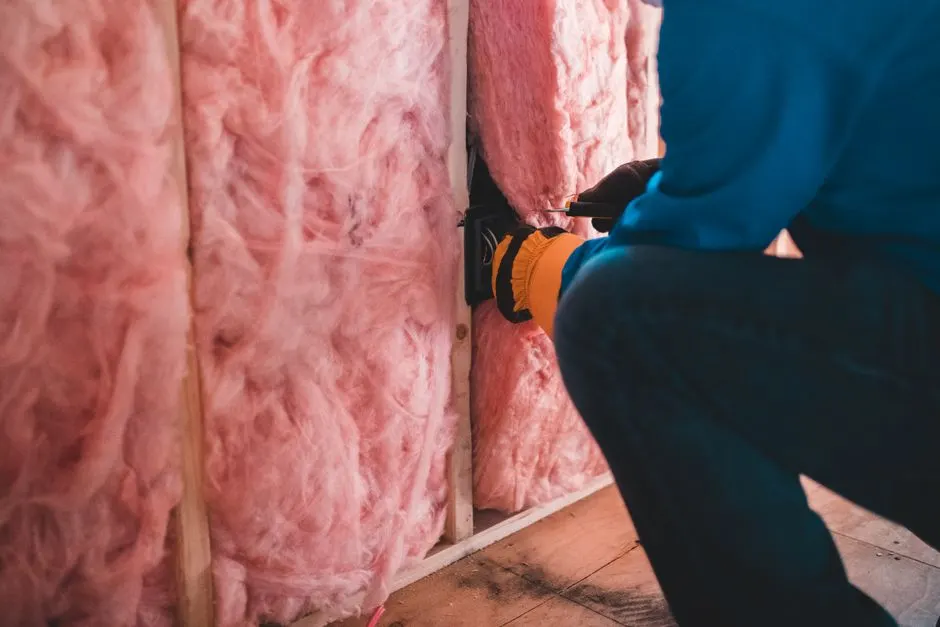
Spray foam removal in St Mark's Gloucestershire is a specialist job, not a general building task. Since 2021 we have worked on the Victorian and Edwardian terraces around St Mark's Road and Devon Avenue, plus the post-war semis off Tewkesbury Road, pulling out open cell and closed cell spray foam that was installed years ago and is now causing problems. The urban layout here means tight access, shared lofts and roof voids that were never designed for chemical insulation. We use a boroscope and a moisture meter to check timbers before we quote, so you know exactly what is wet and what is sound. St Mark's spray foam removal is not a case of hacking at foam with a scraper. We cut it back in sections, bag it, and run an air scrubber so dust and fibres do not drift into your living space. Most jobs take one to three days, and we can usually get a survey booked within 48 hours.
If you are searching for spray foam removal near me in St Mark's, we cover every type of foam and every roof void in the GL51 7 and GL51 8 postcodes. Whether it is a loft, an attic, a cavity wall or a warehouse roof, we have the tools and the tickets to do it safely. Most enquiries come from homeowners who need a mortgage to complete, or from people who have noticed damp patches on ceiling joists.












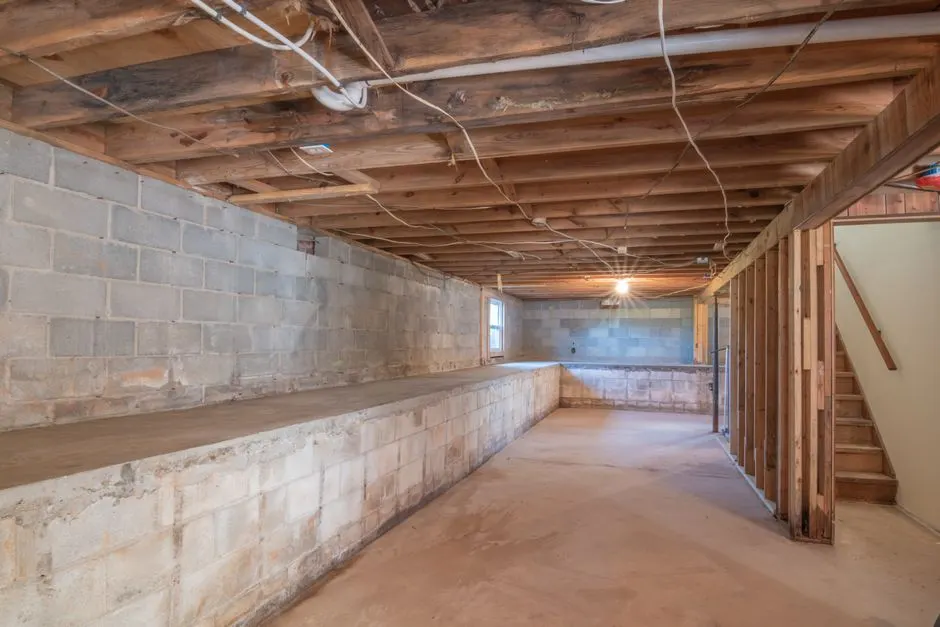




St Mark's has a particular set of conditions that make spray foam problems more likely. The housing is older, the roof voids are shallow, and the Gloucestershire climate is wet. Add in the fact that a lot of foam was installed in the 2000s and 2010s without proper ventilation checks, and you get a predictable set of issues. Here are the ones we see most often.
Spray foam seals the roof void and stops air circulating. In a wet county like Gloucestershire, condensation forms on the cold side of the foam and drips onto the rafters. Over a few winters, the timber stays damp long enough for rot to start.
Most high street lenders treat spray foam as a risk because it can hide structural problems and trap moisture. When a valuer sees it, they often recommend a retention or refuse the loan until it is removed and inspected. This is a paperwork problem as much as a building problem.
Foam is often sprayed right into the eaves, blocking the gap that lets air into the roof void. Without that airflow, the whole roof cannot breathe. It is a common mistake on the shallow-pitched terraces around St Mark's Road and Gloucester Road.
Foam can seal over a small leak in the roof covering, hiding it for years. The water then spreads through the timber instead of dripping through the ceiling. By the time a damp patch appears, the leak has often been running for a long time.
Spray foam does not always announce itself. Sometimes the first sign is a mortgage valuer's note, sometimes it is a damp patch on a bedroom ceiling. If you are searching for spray foam removal near me in St Mark's, here are the signs that mean it is time to get the foam out.
Damp or dark patches on upstairs ceilings
This usually means moisture is trapped in the roof void and has nowhere to go. Spray foam seals the roof, so condensation forms on the timbers and eventually soaks through the plasterboard. If you see a brown ring spreading, get it checked before the plaster fails.
A musty or damp smell in the loft
That smell is mould and damp timber. It is common in St Mark's terraces where foam has blocked the eaves and stopped air moving. The longer it stays, the more likely you are to find timber rot when the foam comes out.
Mortgage valuer has flagged spray foam
Lenders are increasingly refusing mortgages on properties with spray foam in the roof. If your valuer has raised it, you usually need the foam removed and a report provided before the lender will proceed. This is one of the most common reasons people call us.
Visible condensation on roof timbers or felt
If you can see water droplets on the underside of the roof felt or on the rafters, the void is not breathing. Spray foam is often the cause because it blocks the ventilation path. Left alone, wet timbers rot and the roof structure weakens.
Foam is cracking, peeling or falling away
Older foam can become brittle and start to delaminate from the timber. When it peels, it leaves gaps that let warm air through, so the insulation stops working. It also makes the remaining foam harder to remove cleanly, so it is better to deal with it early.
St Mark's is a compact urban area, but the one-way streets and railway crossings can slow you down if you do not know them. We use St Mark's Church as our main orientation point for the northern streets, and Cheltenham Spa railway station for the southern end. The Honeybourne Line gives us a clear route across the area when the roads are busy. Waitrose on Gloucester Road is a useful drop-off point when we need to collect extra bags or tools mid-job.
A tall landmark that helps us orient the northern streets around St Mark's Road and Devon Avenue. If we can see the church, we know which way the terraces run and where the nearest parking is.
The station marks the southern edge of our main work area. It helps us plan routes across the railway line and avoid the busiest drop-off times when we are moving equipment.
A useful reference point on Gloucester Road for mid-job collections. We know the loading restrictions nearby, which helps when we are carrying waste bags out to the van.
The old railway path gives us a clear east-west route through St Mark's when the roads are congested. It is a good navigation marker for the streets that back onto it.
ZIP coverage on request — call to confirm.
Spray foam removal in St Mark's is a year-round job, but the seasons change what we find and how we work. Autumn is when most people notice damp problems because the heating goes on and condensation builds. Winter is our busiest time for emergency call-outs. Here is what to expect through the year.
Spring is a good time to deal with foam because the roof void starts to dry out naturally. We often find that timbers which read damp in winter are drier by April. If you have been putting off a survey, spring is a sensible time to book it.
Tip: Book a survey before the summer rush. If your loft has had a damp winter, spring is the best time to get the foam out and let the timbers dry.
Warm weather makes the loft more comfortable to work in, and the foam is often slightly softer, which can speed up removal. It is also the time when people buy and sell houses, so we get a lot of mortgage-related enquiries in July and August.
Tip: If you are selling, get the foam surveyed before you list the property. It is much easier to deal with it before a buyer's valuer raises it.
As the heating comes on, condensation in foam-filled roof voids gets worse. This is when damp patches and musty smells appear. We see a spike in calls from October onwards, especially from terraces around St Mark's Road and Devon Avenue.
Tip: If you notice a damp smell in the loft as the weather turns, get it checked early. Removing foam before winter reduces the risk of rot setting in.
Winter is our busiest season for emergency work. Storms can lift tiles, letting water into a foam-filled void where it cannot escape. We also get calls from people whose mortgage valuations have been delayed and need the foam out quickly before a deadline.
Tip: Keep an eye on your loft after a storm. If you see new damp patches or a musty smell, call us. We run a 24/7 line through the winter for urgent cases.
St Mark's is one of our core areas, but we cover the whole of Cheltenham and the surrounding villages. If you are just outside the GL51 postcodes, we can usually still help. Here are the nearby areas we serve most often, with a link to each location page.
(City)
About a mile south of St Mark's, with a similar mix of older terraces and commercial buildings. We regularly work on foam removal in Montpellier lofts and cellars.
View Montpellier(City)
A short drive east of St Mark's. Lansdown has larger period properties with deeper roof voids, so the foam removal jobs there tend to take a little longer.
View Lansdown(City)
Just north of St Mark's, with a mix of Regency villas and modern flats. We often get called to Pittville for mortgage-related foam removal.
View Pittville(City)
About two miles southeast of St Mark's. Charlton Kings has more detached and semi-detached housing, so the lofts are usually easier to access than our St Mark's terraces.
View Charlton Kings(City)
South of St Mark's, with a mix of older cottages and 20th-century semis. We cover Leckhampton on the same routes as our GL51 work.
View Leckhampton(City)
A residential area just south of St Mark's, popular with families. Benhall has a lot of 1960s and 1970s housing with loft foam that is now reaching the end of its life.
View BenhallReal answers from our team for the questions we hear most often before a job starts.
If you have foam in your loft and a mortgage hanging on it, or you have spotted damp timbers in your roof void, call us. We have worked in St Mark's since 2021, we know the terraces and the access, and we will give you a straight answer after a survey. One call books a visit, and we can usually be with you within 48 hours.
Call us on 01242375143 or email [email protected] and we will arrange a free survey at your Cheltenham property. Our phone line is answered 24/7, and we aim to book surveys within 48 hours across Gloucestershire. If you have photos of the foam, send them over and we can often give you an initial view before we visit.
Phone
01242375143Address
15-21 Clarence Street, Cheltenham, GL50 3JL, UK, Cheltenham, Gloucestershire
Hours
Mon–Fri: 7AM – 7PM
Sat: 8AM – 4PM
Sun: Emergency Only
24/7 Emergency Available