Suffolk Square
Suffolk Square is the central reference point for the surrounding terraces. We use it to plan parking and access for jobs on the square itself and the streets running off it, and it tells us which side of the block a property sits on.
Spray foam removal in The Suffolks Gloucestershire is the work of taking failed or mortgage-blocking foam out of a roof, loft or cavity and restoring the building to something a lender and a surveyor will sign off. We have worked the GL50 2 and GL50 1 postcodes since 2021, and most of our call-outs here start the same way: a surveyor's report mentions spray foam, the buyer's lender refuses to lend, and the seller needs it gone quickly. The Suffolks spray foam removal jobs are rarely straightforward because the housing stock is Victorian. Roof slopes are shallow, rafters are irregular, and there is usually no felt, so any foam that has been sprayed directly onto the underside of the slates has trapped moisture against the timber. We use a boroscope and a moisture meter before we cut anything, so we know whether the rot is surface-level or structural. If the timbers are sound, we remove the foam, clear the ventilation path and leave the roof able to dry. If the battens or rafters have gone soft, we tell you before we start and price the repair separately.
Every job in The Suffolks starts with an assessment, because the right method depends on the foam and the roof. Open cell foam comes out with hand tools and an industrial vacuum. Closed cell foam is denser and often needs thermal removal tools or dry ice blasting to break the bond without damaging slates. If you have been searching for spray foam removal near me in The Suffolks, we cover the whole GL50 2 and GL50 1 area and can usually survey within 48 hours.












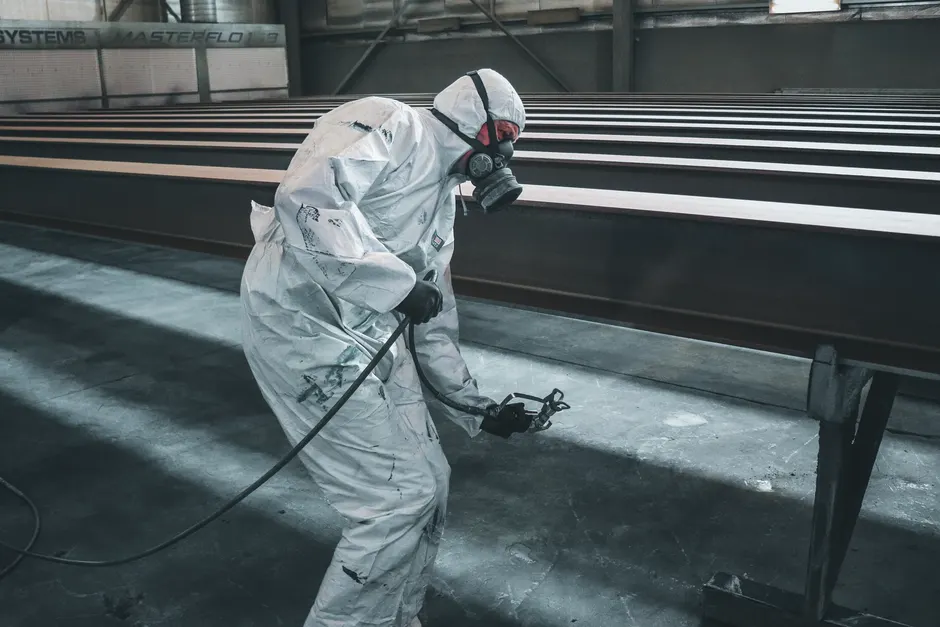
The Suffolks has a specific set of conditions that make spray foam problems worse than in newer parts of Cheltenham. The housing stock is Victorian, roofs were built without felt, and the conservation area limits what can be altered externally. Add wet winters and the occasional summer downpour, and foam that blocks ventilation quickly turns into trapped moisture. These are the four problems we see most often in GL50 2 and GL50 1.
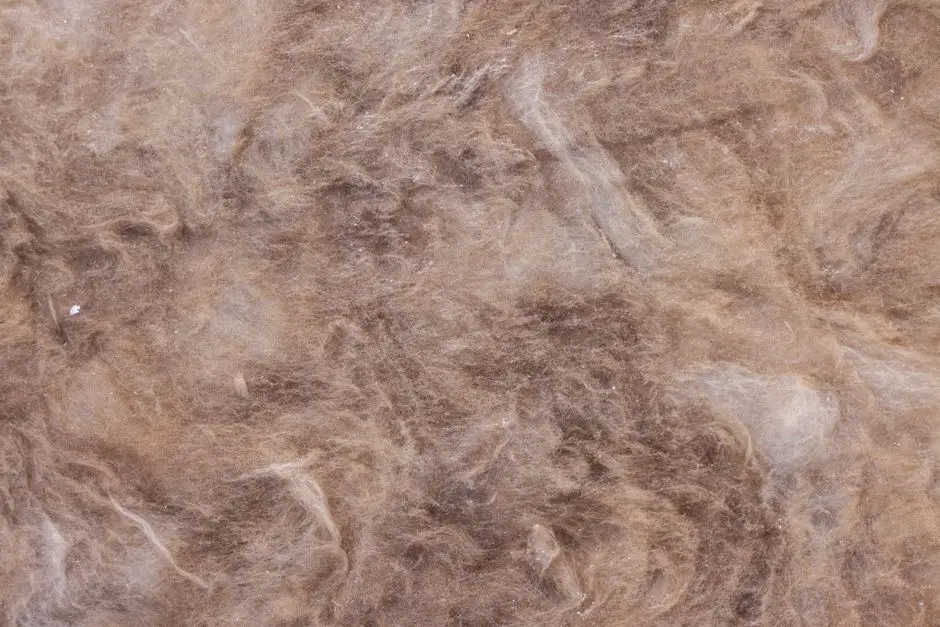
Most Suffolks roofs were built without roof felt, so there is nothing between the slates and the timber. Foam sprayed onto the underside of the slates seals the roof and stops it breathing, so condensation forms on the rafters every winter and cannot dry out.
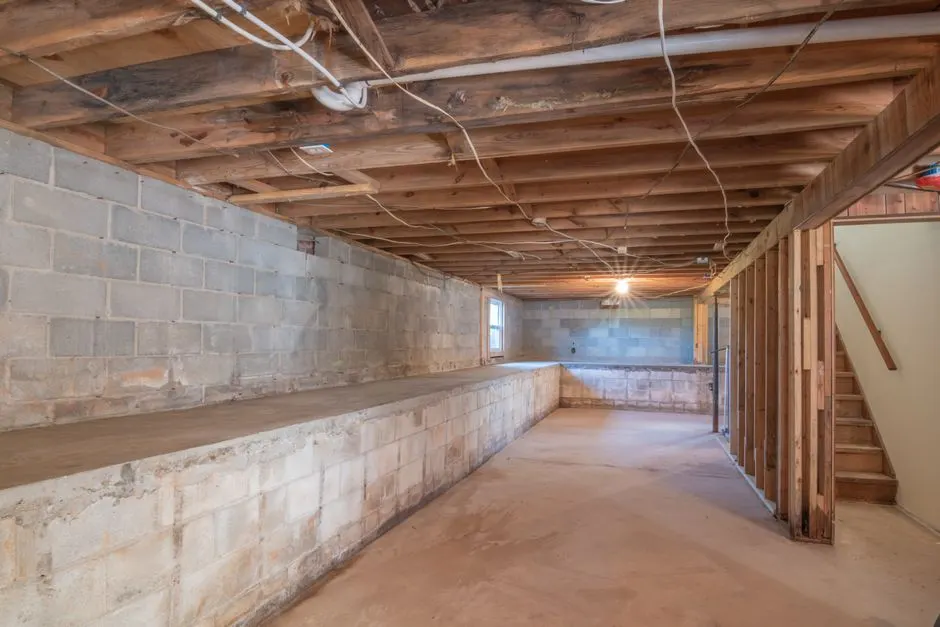
Closed cell foam is rigid and grips the timber, so it cannot be pulled away without splintering old rafters. This is common in Suffolks cellars and ground-floor rooms where foam was used to seal damp, and it is the job most likely to damage historic timber if done badly.
Lenders treat spray foam in a roof as a risk because it hides the condition of the timbers and can block ventilation. In The Suffolks this stalls sales regularly, and the buyer usually cannot proceed until the foam has been removed and the roof inspected.
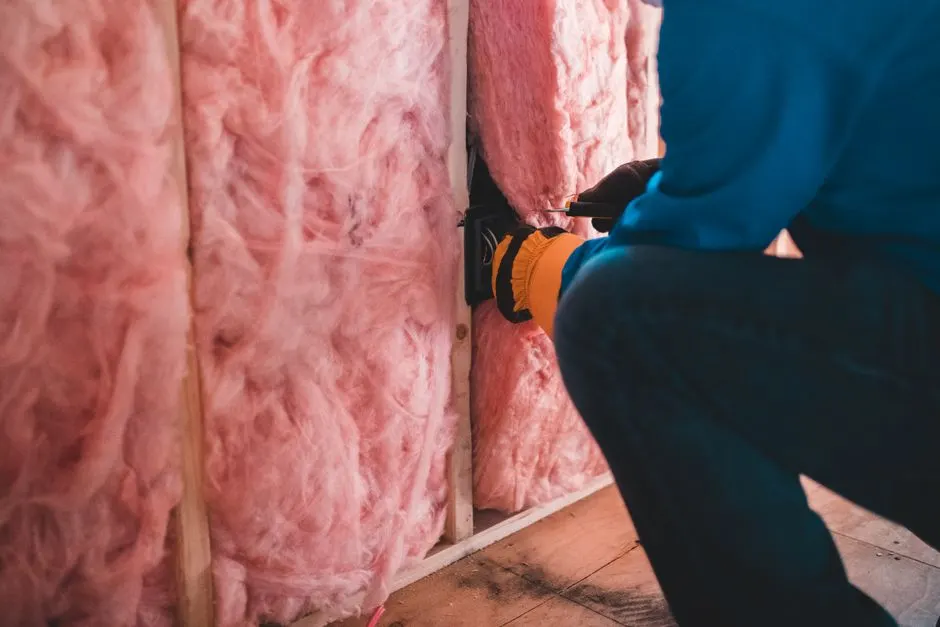
Foam is often sprayed over the eaves to seal draughts, which blocks the main ventilation path at the bottom of the roof. Air cannot move, moisture builds up, and the first sign is usually a damp patch on an upstairs ceiling or a musty smell in the loft.
Most people in The Suffolks do not call us because they want the foam gone. They call because a surveyor has flagged it, a lender has stalled a mortgage, or damp has appeared on a ceiling. If you have been searching for spray foam removal near me in The Suffolks and you recognise any of the signs below, get a survey before the problem spreads to the rafters.
Surveyor has flagged foam in the loft
A surveyor's report mentioning spray foam usually means a lender will not proceed until it is removed. This is the most common reason we are called in The Suffolks, and it is time-critical because the sale is on hold until it is resolved.
Damp patches on an upstairs ceiling
Foam sprayed over the eaves blocks ventilation, so condensation has nowhere to go and starts to show on the ceiling below. On Victorian roofs in The Suffolks this often means the battens are already wet and need checking with a moisture meter.
Foam visible between the rafters
If you can see foam sprayed directly onto the underside of the slates or between rafters, the roof cannot breathe. Open cell foam is the usual culprit here, and it needs removing before the timber starts to rot.
Musty smell in the loft or attic
A musty smell usually means trapped moisture and early timber rot. In The Suffolks we find this most often in cellars and ground-floor rooms where closed cell foam was used to seal damp, and it spreads quickly if left alone.
Mortgage offer withdrawn or delayed
Lenders routinely refuse to lend on a property with spray foam in the roof. If your offer has been withdrawn or delayed, we can survey quickly, remove the foam and provide the photographic evidence your lender needs to proceed.
The Suffolks is compact, and we use its landmarks to plan routes and parking rather than as marketing. Suffolk Square and Montpellier Gardens give us clear reference points for the terraces around them. The Suffolks shopping area along Suffolk Parade tells us which jobs need early-morning or after-hours access. Bath Road is our main route in and out, and it dictates how we schedule jobs across GL50 2 and GL50 1 so we are not stuck in traffic with a van full of foam.
Suffolk Square is the central reference point for the surrounding terraces. We use it to plan parking and access for jobs on the square itself and the streets running off it, and it tells us which side of the block a property sits on.
Montpellier Gardens sits at the edge of The Suffolks and marks the boundary with Montpellier. We use it as a navigation marker when routing between jobs in GL50 2 and the streets towards Bath Road.
The independent shopping area along Suffolk Parade and Suffolk Square tells us which jobs are commercial units needing out-of-hours access. It is also a useful meeting point when we are surveying several units in one visit.
Bath Road is the main route into and out of The Suffolks. We use it to plan job order across the day, because a van loaded with foam bags needs a clear run rather than a queue at the traffic lights.
ZIP coverage on request — call to confirm.
Cheltenham's climate is mild but wet, and The Suffolks sits in a dip that holds moisture after heavy rain. That shapes when foam problems show up. Autumn and winter are when damp patches and musty smells appear. Spring is when sellers put properties on the market and surveyors start flagging foam. Summer is the easiest time to work in a loft, but it is also when condensation problems are least visible. If you are searching for loft spray foam removal in The Suffolks, the season you book in affects how quickly you see the roof dry out.
Spring is when the housing market picks up and surveyors start flagging foam in lofts across The Suffolks. Damp patches from winter may still be visible on ceilings, and the roof will not have dried out fully yet.
Tip: If you are selling, book a survey before your buyer's lender raises it. Getting the foam out early keeps the sale on track and avoids a last-minute delay.
Summer is the easiest time to work in a loft because the space is warm and dry, and removal dust settles less. It is also when condensation problems are hardest to spot, so a survey matters more than a visual check.
Tip: Book larger jobs in summer when the loft is comfortable to work in. It is also the best time to replace soft battens and let the roof dry out fully.
Autumn rain and falling temperatures are when trapped moisture starts to show. Musty smells return, damp patches reappear on ceilings, and foam that blocked ventilation over summer now causes visible problems.
Tip: Get a moisture meter check before winter sets in. Catching wet timbers in autumn is far cheaper than replacing rafters in January.
Winter is when foam problems become urgent. Condensation forms on cold rafters, leaks appear through foam-filled roofs, and any timber rot that started earlier becomes obvious. Emergency call-outs peak in December and January.
Tip: If a leak appears through a foam-filled roof, call 01242 375143 straight away. We cover 24/7 spray foam removal The Suffolks Gloucestershire and can stop the damage getting worse overnight.
The Suffolks sits inside Cheltenham, so our coverage runs out through the surrounding districts and villages. We work across GL50 and GL51, and we regularly take jobs in the areas below. If you are just outside this list, call 01242 375143 and we will tell you honestly whether we cover your postcode.
(City)
Montpellier borders The Suffolks to the west, and we often work both areas in the same week. Customers there usually come to us through the same surveyor referrals.
View Montpellier(City)
Lansdown is a short drive north of The Suffolks, with similar Victorian terraces and the same mortgage-driven demand for foam removal.
View Lansdown(City)
Pittville is a few minutes from The Suffolks and shares the same Regency and Victorian building stock, so the foam problems are almost identical.
View Pittville(City)
Charlton Kings sits to the east of The Suffolks and is a regular stop for us, particularly for larger detached homes with deeper roof voids.
View Charlton Kings(City)
Leckhampton is just south of The Suffolks and is often booked alongside a Suffolks job when a customer owns two properties in the area.
View Leckhampton(City)
Benhall is a short run from The Suffolks and mostly sees 20th-century housing, where foam tends to be in lofts rather than on historic rafters.
View BenhallReal answers from our team for the questions we hear most often before a job starts.
If a surveyor has flagged foam in your loft, or your lender is holding up a sale, call us on 01242 375143. We have worked The Suffolks since 2021, we survey with a boroscope and moisture meter before quoting, and we provide the photographic evidence your lender needs. Same day spray foam removal is often possible if you call before midday. One call and we will tell you exactly what the job involves.
Call us on 01242375143 or email [email protected] and we will arrange a free survey at your Cheltenham property. Our phone line is answered 24/7, and we aim to book surveys within 48 hours across Gloucestershire. If you have photos of the foam, send them over and we can often give you an initial view before we visit.
Phone
01242375143Address
15-21 Clarence Street, Cheltenham, GL50 3JL, UK, Cheltenham, Gloucestershire
Hours
Mon–Fri: 7AM – 7PM
Sat: 8AM – 4PM
Sun: Emergency Only
24/7 Emergency Available